How Should a Luxury Home Be Designed for Aging in Place in the Riviera Maya?
By Ximena Gontes — Architect, PlayaBuilder
A house can be wonderfully suited to the person we are today and surprisingly inconvenient for the person we become. The entry step we scarcely notice at forty may matter much more at seventy. The bathroom that photographs beautifully may not offer enough room for assistance or a future mobility device.
Designing for aging in place is not about creating a clinical-looking home. It is about protecting independence, comfort, and choice while preserving the character of the architecture. For homeowners considering full-time living or retirement in the Riviera Maya, these decisions can be integrated so quietly that guests may never notice them.
Start with the path through the home
I begin by imagining an ordinary day: arriving with groceries, moving from the bedroom to the bathroom at night, making breakfast, stepping onto the terrace, and returning from the pool. Each transition reveals potential obstacles. Thresholds, floor level changes, narrow circulation routes, difficult doors, and poorly positioned lighting are more important than they may appear in an early sketch.
A continuous accessible route on the principal living level can be more valuable than an elaborate feature added later. Where changes in elevation are unavoidable, explore the available space and appropriate compliant solutions early. Requirements vary by jurisdiction and project; any formal accessibility standard should be checked rather than assumed.
Keep essential living functions together
A primary bedroom, full bathroom, kitchen, living area, and convenient access to the exterior on one level can support flexibility over time. Multistory homes remain possible, but the architectural brief should consider what happens if stairs become difficult. Can an existing room change function? Is there a location that could accommodate a future lift, subject to engineering and code review?
Planning an adaptable ground floor does not force a particular lifestyle. It gives the homeowner choices. To me, that is a compelling form of luxury: the design continues to serve people even when their needs change.
Bathrooms deserve more design intelligence, not less beauty
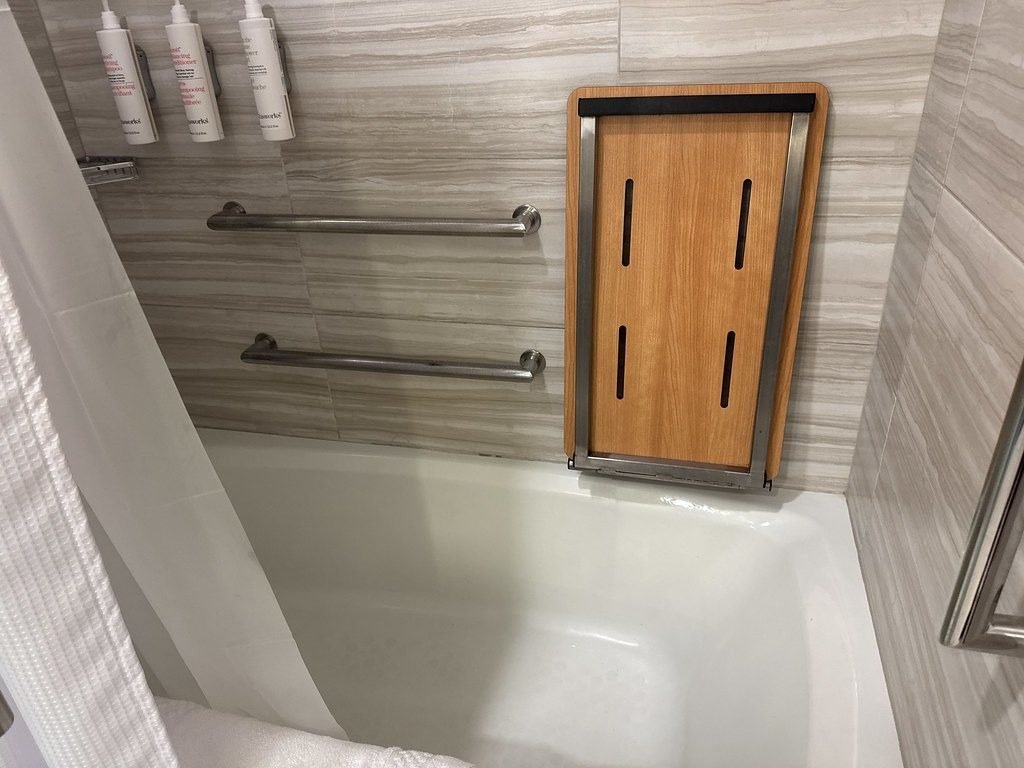
Bathrooms combine moisture, slippery surfaces, movement, and a large number of daily routines. Consider generous maneuvering space, stable support locations, easy-to-operate controls, appropriate lighting, and showers that minimize difficult level changes when compatible with drainage design. Future grab-bar locations may require reinforced backing planned before walls are finished.
A carefully designed accessible bathroom need not announce itself as a special-purpose room. A beautiful continuous material palette, thoughtful fittings, and comfortable proportions can feel sophisticated while supporting safer, easier use. Specific dimensions and safety details should be reviewed against the owner's requirements and relevant standards.
Light, contrast, and controls shape independence
Architecture affects how readily we understand our surroundings. Good task lighting helps with cooking and reading; gentle night lighting helps people move without switching on every fixture. Visual contrast can make steps, changes in material, and controls easier to identify. Operable windows, switches, and storage should be placed with realistic reach and effort in mind.
These decisions are often inexpensive to incorporate on paper and much more disruptive when retrofitted behind finished surfaces. The goal is not to overload the house with devices. It is to choose sensible details that feel intuitive every day.
Tropical outdoor living should remain usable
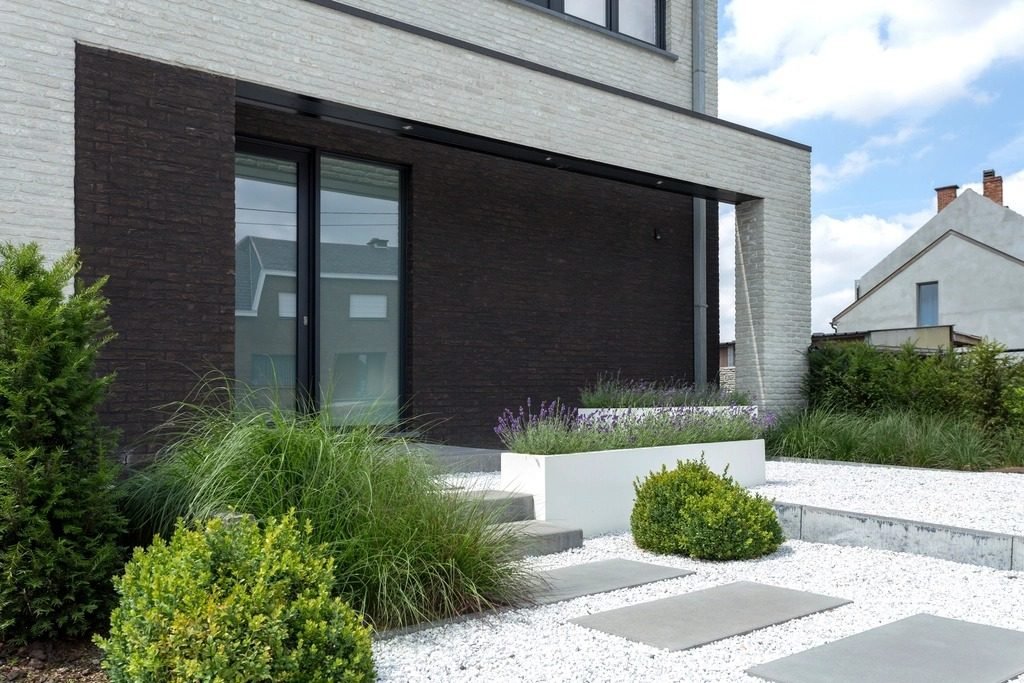
A terrace or garden can be central to life in the Riviera Maya. Yet a beautiful outdoor area may be underused if access involves an awkward threshold, uneven pavement, poor shade, or a long exposed walk. Drainage and storm-water protection still matter, so reducing level changes must be coordinated rather than improvised.
Think about shaded places to pause, non-slip materials appropriate to wet conditions, handrail needs, easy routes to seating, and access for maintenance. Accessible design works best when it expands the pleasures of a home instead of being treated as a series of compromises.
Adaptability review
I would test the design using the routines of an older resident, a visitor recovering from injury, and someone carrying groceries. These are design exercises, not medical assessments. They reveal awkward transitions and help the team decide which flexibility features merit attention now.
Questions to discuss with your design team
- Can daily living occur on one floor?
- Are entrances and bathrooms adaptable?
- Is lighting useful at night?
- Can needed support be fixed safely?
- Are outdoor paths convenient in wet weather?
A hypothetical example: a guest suite that can change
Imagine a couple designing a holiday home with a guest bedroom near the living area. Today the room is intended for visiting family. Later, the owners may prefer to use the same space as their principal bedroom. During design, they can review bathroom proximity, door access, privacy, lighting, storage, and how the space relates to the kitchen and terrace. These choices may allow a room to adapt without having to rebuild the house.
The objective is not to predict a person's health or future abilities. It is to avoid unnecessary inflexibility. A clear, adaptable arrangement can support different generations and visiting guests long before anyone thinks about accessibility as a special requirement.
Beauty, safety, and restraint
Accessible details can become awkward when added as unrelated products after the architecture is complete. They work much better when their requirements shape the design early. A broad doorway can strengthen a sense of openness. A continuous, carefully drained shower floor can contribute to a minimalist aesthetic. Easy controls can be visually calm.
Any specific accommodation should be developed around the intended user's needs and professional advice where appropriate. The architectural opportunity is to treat dignity and choice as qualities of the home, rather than treating them as features that must be hidden.
A home that welcomes more than one generation
Adaptability can make a residence more welcoming to children, grandparents, guests, and people recovering temporarily from illness or injury. Convenient entrances, logical room connections, good lighting, and intuitive storage serve many different needs. The aim is not to optimize every square meter for every conceivable condition. It is to avoid obvious barriers and preserve options where those options are reasonably valuable.
I would ask the owners to rank their priorities for independence, privacy, and future flexibility. Some will prefer an entirely single-level home. Others value views from an upper floor and will consider alternative planning or future vertical access. An architect should show the consequences of those choices honestly, including space, structural, services, and cost implications that require further specialist review.
Consider one ordinary morning
I find it useful to design for a sequence of ordinary activities rather than a list of equipment. A person wakes up, reaches the bathroom, prepares coffee, opens a terrace door, and perhaps carries breakfast outside. Each movement tells us something about thresholds, turning space, storage, flooring, handles, and lighting. If the route is comfortable for someone whose balance or mobility changes, it may also be pleasant for a guest with a suitcase, a parent carrying a child, or a person recovering from an injury. Small generous decisions often serve many people over the life of a home.
For a hypothetical single-level residence, I would sketch the route from bedroom to bathroom to kitchen and out to a shaded terrace. Then I would mark each door swing, step, wet area, and place where furniture narrows circulation. The exercise does not establish compliance with any particular accessibility standard. It reveals questions for the owner and the appropriate specialists: which future accommodations should be planned now, what dimensions are needed, and which details can remain adaptable without compromising present-day design.
Let future support feel like part of the architecture
A bathroom can be elegant and practical when its wall construction, fixture placement, and circulation have been considered together. If future grab bars or other supports may be required, the team can review the need for suitable reinforcement in the walls before finishes are installed. The finished room might use beautiful stone, warm lighting, and a generous shower area. Those architectural qualities should be coordinated with slopes, slip resistance, access, and the requirements of the intended users. Design choices should be verified against applicable standards and specialist advice rather than assumed to be universally suitable.
I also think about how someone sees an edge or understands the route through a room at night. Glare, reflections, poor contrast, and inconvenient controls can make simple activities uncomfortable. A carefully placed low-level light, a clear transition between materials, or a thoughtfully located control can add practical comfort while contributing to the atmosphere of the home. The opportunity is to make these decisions part of the initial composition, when we can still work with the dimensions rather than around them.
Final perspective
A home designed to age well does not need to look cautious. It can be adventurous, elegant, and deeply personal—while quietly giving its owners more years of comfortable use.
About the author
Ximena Gontes is an architect at PlayaBuilder. Her professional background includes architectural design, project management, construction supervision, and residential project delivery. She studied architecture at Universidad Autónoma del Estado de Morelos and completed additional studies in architectural design and project management, including a UNAM diploma. Her work connects design imagination with the practical decisions required to build in the Riviera Maya.