How Houses Are Built in Mexico: Materials, Methods & Styles
The materials used in house construction determine durability, appearance, and how a home performs in different climates. If you want to understand how houses are built in Mexico, you need to look at local materials, historic techniques, and modern practices. Mexico combines centuries-old methods with contemporary engineering. From adobe and timber to poured concrete and glass, builders choose materials that fit the climate, culture, and budget.
Traditional Materials and Their Uses
Adobe: The Ancient Building Block
Adobe mixes clay, sand, water, and organic fibers like straw. For centuries, builders in arid regions used adobe because it keeps interiors cool in daytime heat and warm at night. Adobe is cheap and eco-friendly, yet it needs regular maintenance and does not perform well in very wet climates.
Wood: Versatility and Local Availability
In forested areas, wood is common. Builders use pine, oak, and other local species for frames, beams, and finishes. Timber framing allows flexible designs and quick repairs. However, wood requires treatment against pests and moisture.
Stone: Strength and Durability
Stone—volcanic rock, limestone, and other local varieties—provides durability. Stone facades and structural walls resist weather and last for generations. You see stone in colonial buildings and in modern homes that aim for a timeless look.
Traditional Building Methods — How They Work
Traditional methods show how houses are built in Mexico using local labor and materials:
-
Pole foundations and timber frames: Common in older rural homes, hardwood posts support the structure.
-
Bajareque (wattle and daub) and tapial (rammed earth): Labor-intensive techniques that use local earth and fibers. They are low-cost and very sustainable.
-
Clay-tile roofs on wooden beams: This timeless system combines a wooden framework with baked clay tiles, giving both thermal mass and a classic appearance.
These methods connect communities to local resources and maintain cultural identity. At the same time, they can be improved with modern waterproofing and reinforcement.
Blending Old and New
Many contemporary Mexican homes combine traditional and modern techniques.
This creates a unique architectural style that honors the past while embracing the future.
Examples include modern adobe homes with contemporary interiors and stone houses with advanced insulation.
This blend respects cultural heritage while meeting modern demands for efficiency and sustainability.
By understanding these diverse construction methods, one can appreciate the architectural richness and adaptability present in Mexican home design. Whether preserving tradition or innovating with new materials, the craftsmanship continues to evolve, reflecting both history and progress.
 Ancient type of mud wall[/caption]
 Contemporanian Wood Wall[/caption]
 Good quality stone wall[/caption]
Modern Construction Practices and Materials
Today many Mexican homes use modern systems to increase strength and lifespan:
Concrete: The Modern Standard
Concrete is the go-to material. Builders use poured foundations, concrete block walls, and reinforced concrete beams with steel rebar. Innovations such as lightweight concrete and pre-cast panels make construction faster and more flexible.
Brick and Block
Clay bricks and cement blocks offer good thermal properties and fire resistance. They are often finished with stucco or paint to protect the structure and improve aesthetics.
Steel and Glass for Contemporary Design
Steel enables larger openings and open-plan layouts. Glass increases light and visibility. Together, steel and glass produce the minimalist, modern look found in many urban Mexican homes.
 slab pouring[/caption]
 example of masonry[/caption]
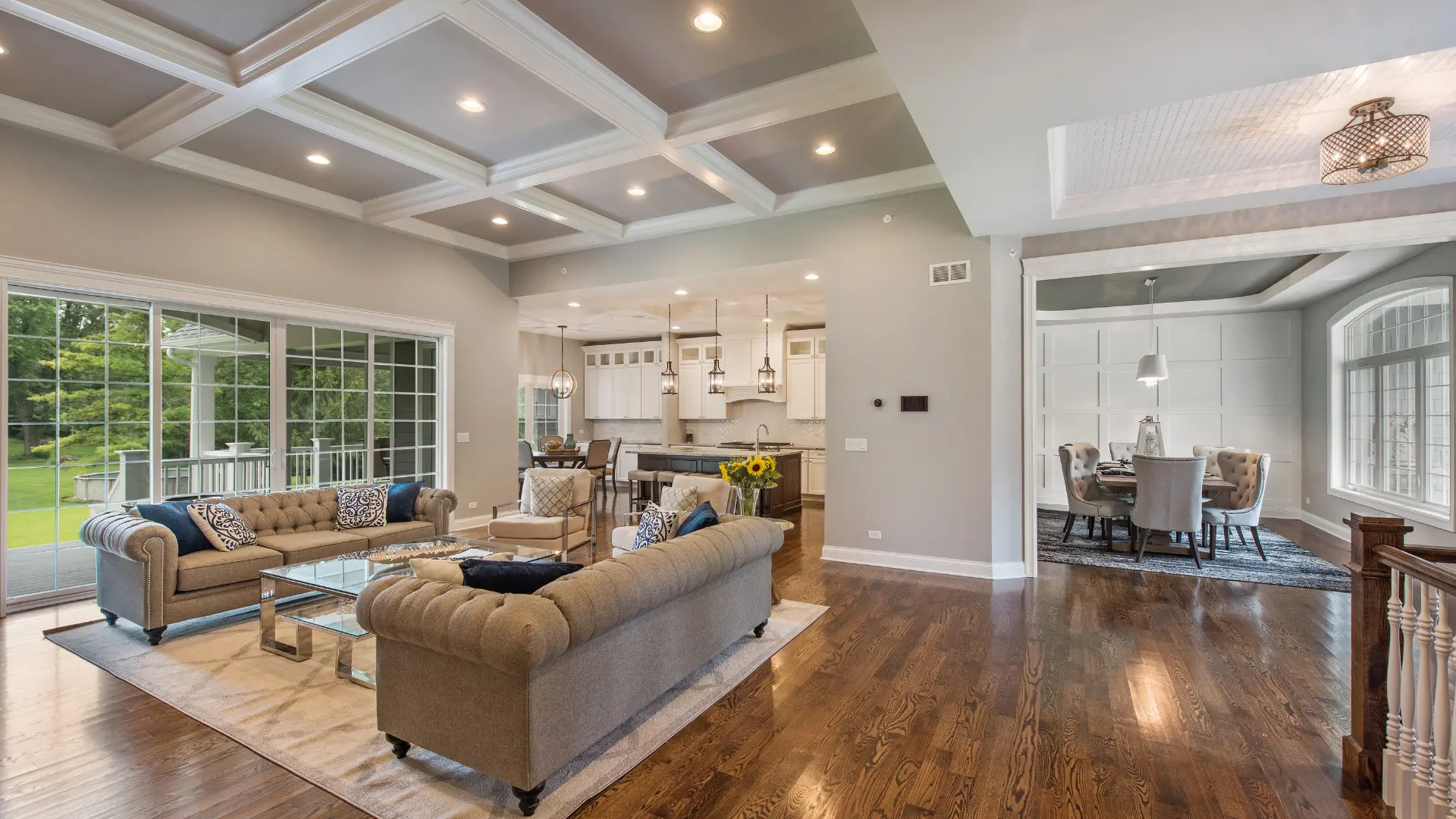 Mexican Modern House[/caption]
Sustainable Materials and Techniques
Sustainability is growing in popularity across Mexico:
-
Recycled materials: Reclaimed wood, recycled metal, and reused bricks reduce waste and cost.
-
Natural insulation: Sheep’s wool, cellulose, and hemp provide eco-friendly thermal performance.
-
Green roofs and solar panels: Vegetated roofs improve insulation and reduce heat in cities. Solar panels are increasingly common for energy independence.
These choices show how houses are built in Mexico now with both efficiency and lower environmental impact in mind.
How Roofs Are Supported and
Roof Construction: Two Common Methods
When discussing how roofs are supported and built in Mexican homes, two methods stand out:
-
Concrete slab with wooden planking and tiles: Concrete ceiling panels supported by columns, topped with wooden planks and clay tiles, combine solidity with traditional aesthetics.
-
Wooden beam system: Long wood beams span walls, covered with planks and clay tiles. This method creates a rustic look and is still common in many regions.
Both methods balance durability and local style, and both can be adapted for modern insulation or seismic improvements.
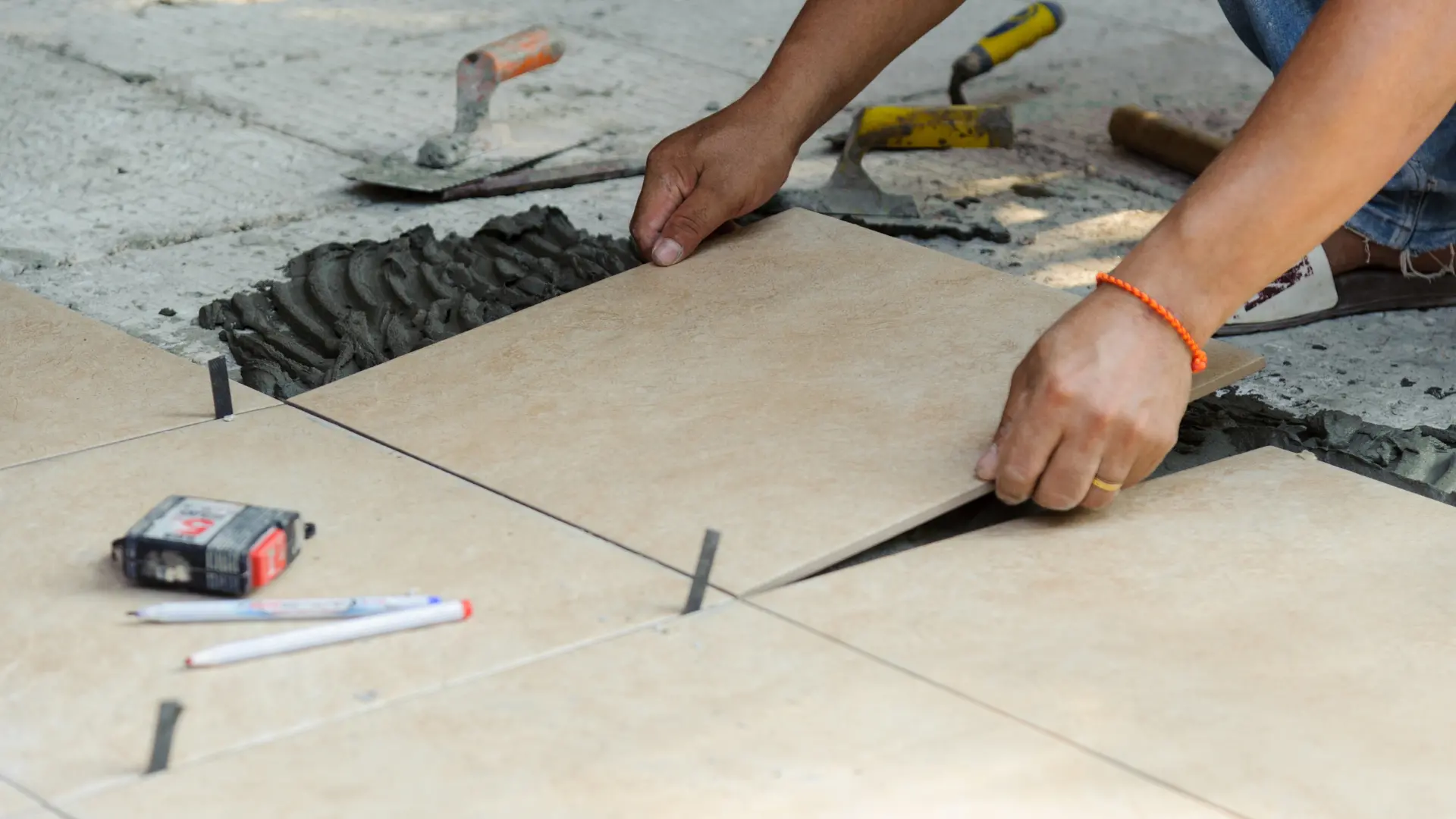 Self-regulating grass roof[/caption]
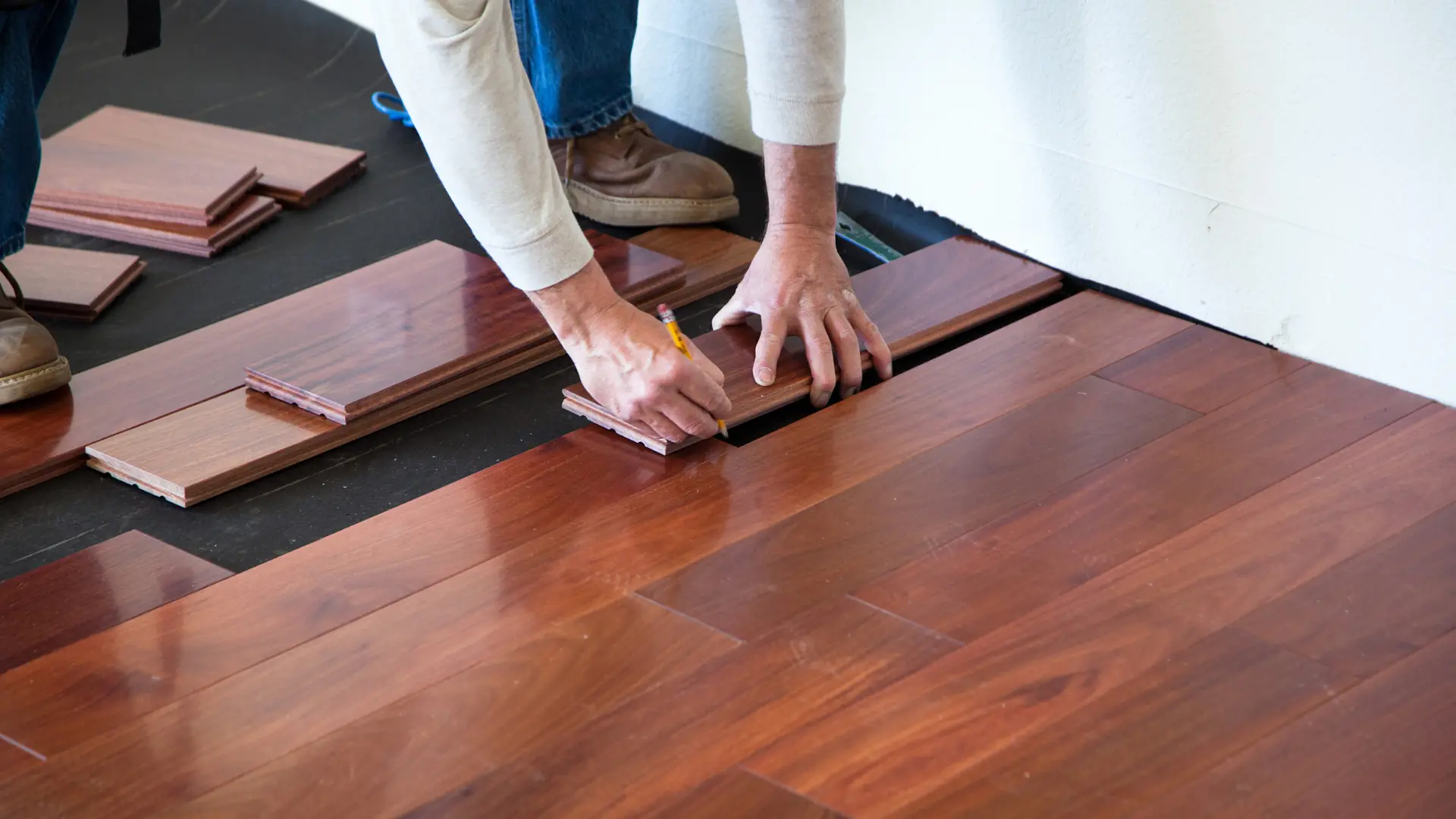 Modern House With Solar Panels[/caption]
Regional Variations: Climate Drives Choice
Coastal Regions
Near the coast, builders prioritize resistance to humidity and salt. Treated wood, concrete, and corrosion-resistant metals are common to prevent decay.
Mountainous Areas
Homes at altitude need materials that handle cold and earthquakes. Stone, reinforced concrete, and insulated panels give strength and thermal comfort.
Urban vs Rural
Urban builders often use concrete, steel, and glass for density and modern standards. Rural areas rely on adobe, timber, and local stone due to availability and tradition.
These regional differences illustrate the many ways how houses are built in Mexico adapts to local needs.
Foundations: Slab-on-Grade vs Basement
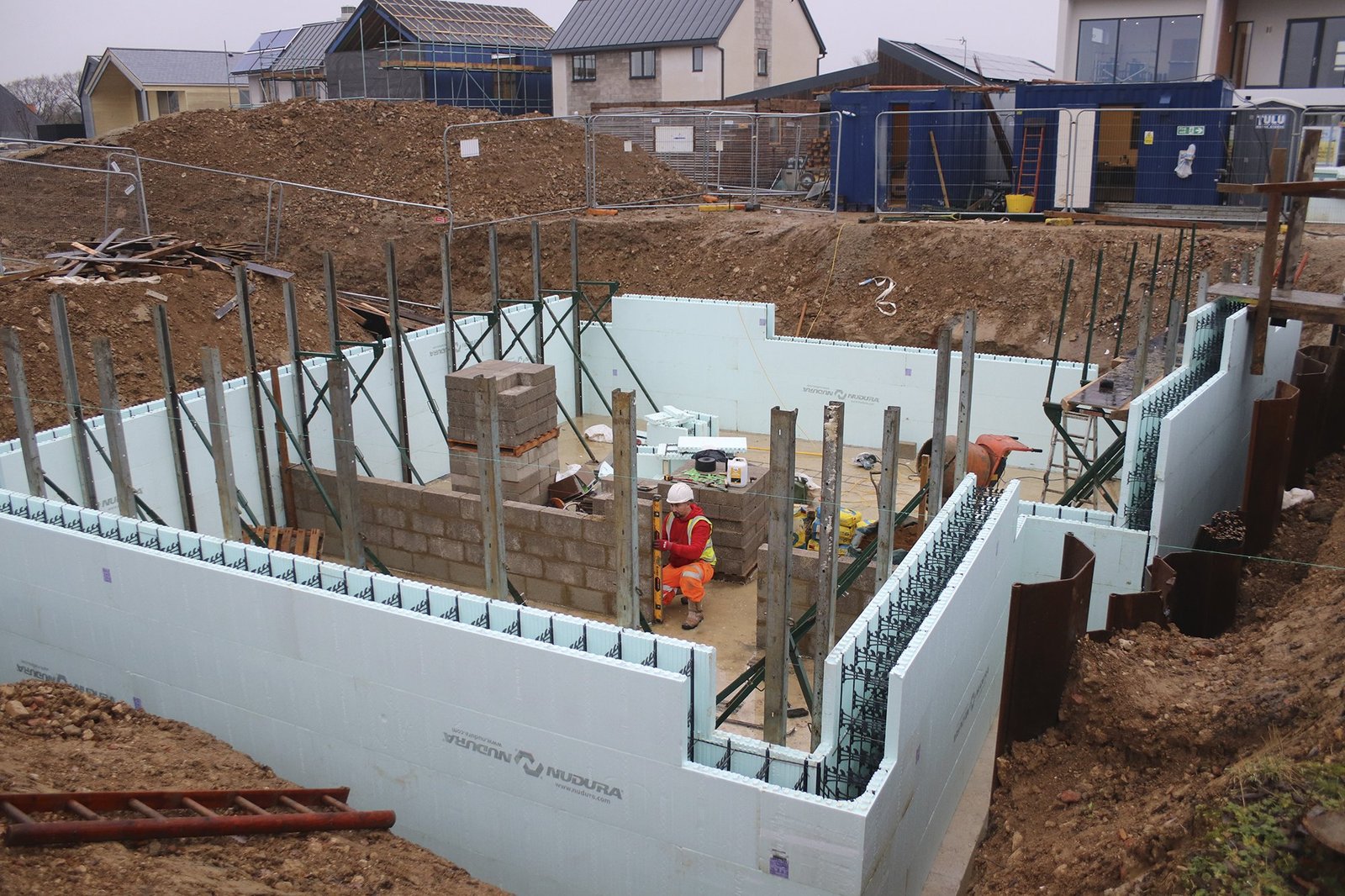
Most Mexican homes use a slab-on-grade: a single poured concrete layer on the ground. It is simple and affordable, ideal for warm climates where freezing is not an issue. Basements are less common, reserved for cold regions or steep lots. Soil type, drainage, and seismic conditions determine the best foundation type.
Construction Techniques: Old Meets New
Builders increasingly blend methods:
-
Traditional techniques such as rammed earth are combined with modern waterproofing and reinforcement.
-
Prefabrication and modular systems speed up building and improve quality control.
-
Engineered wood and lightweight concrete provide durable, efficient alternatives to heavy masonry.
This fusion respects cultural aesthetics while improving performance and safety.
 Modern House Exterior Model[/caption]
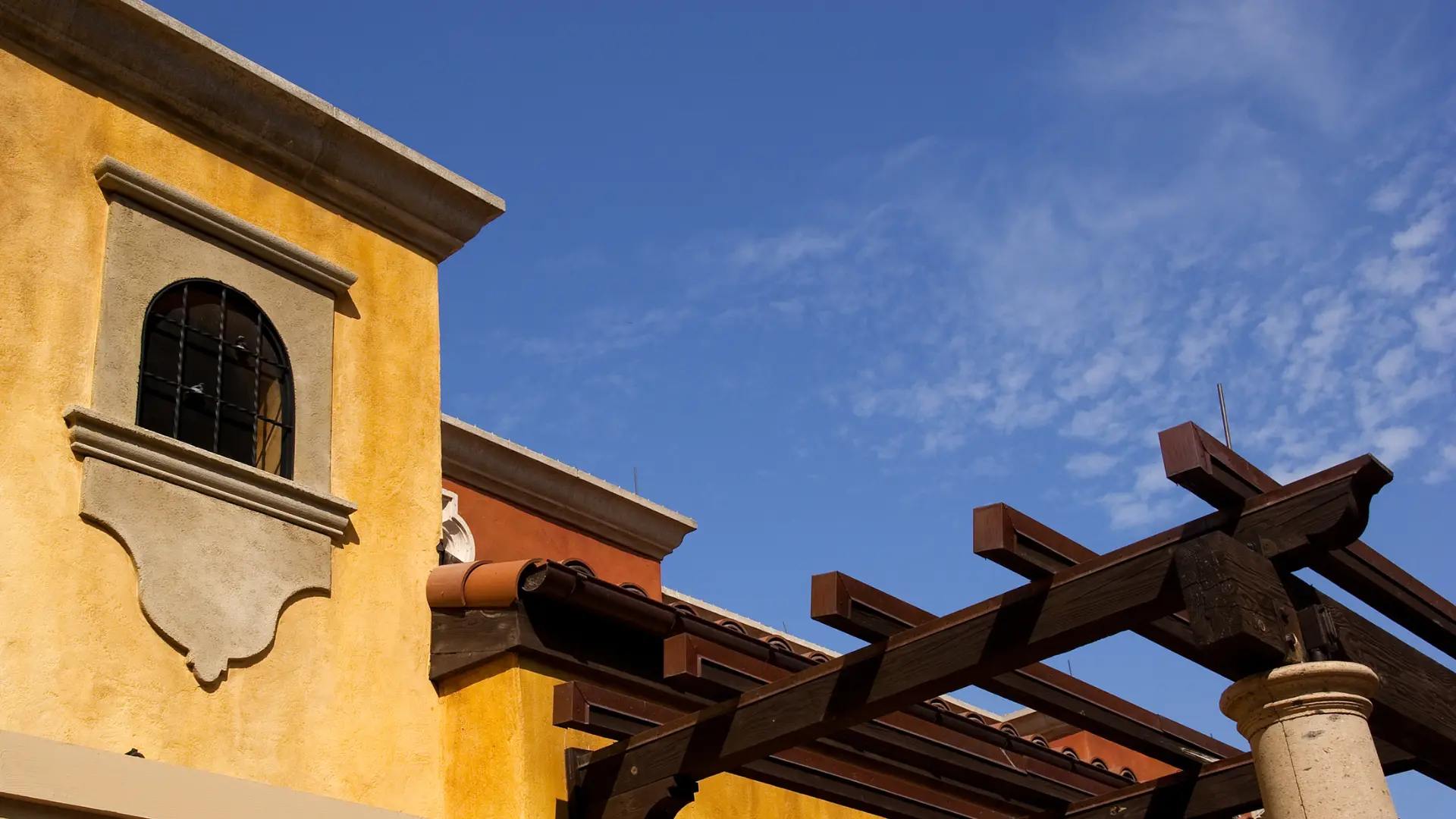 Classic House Exterior Model[/caption]
 Modern Kitchen Model[/caption]
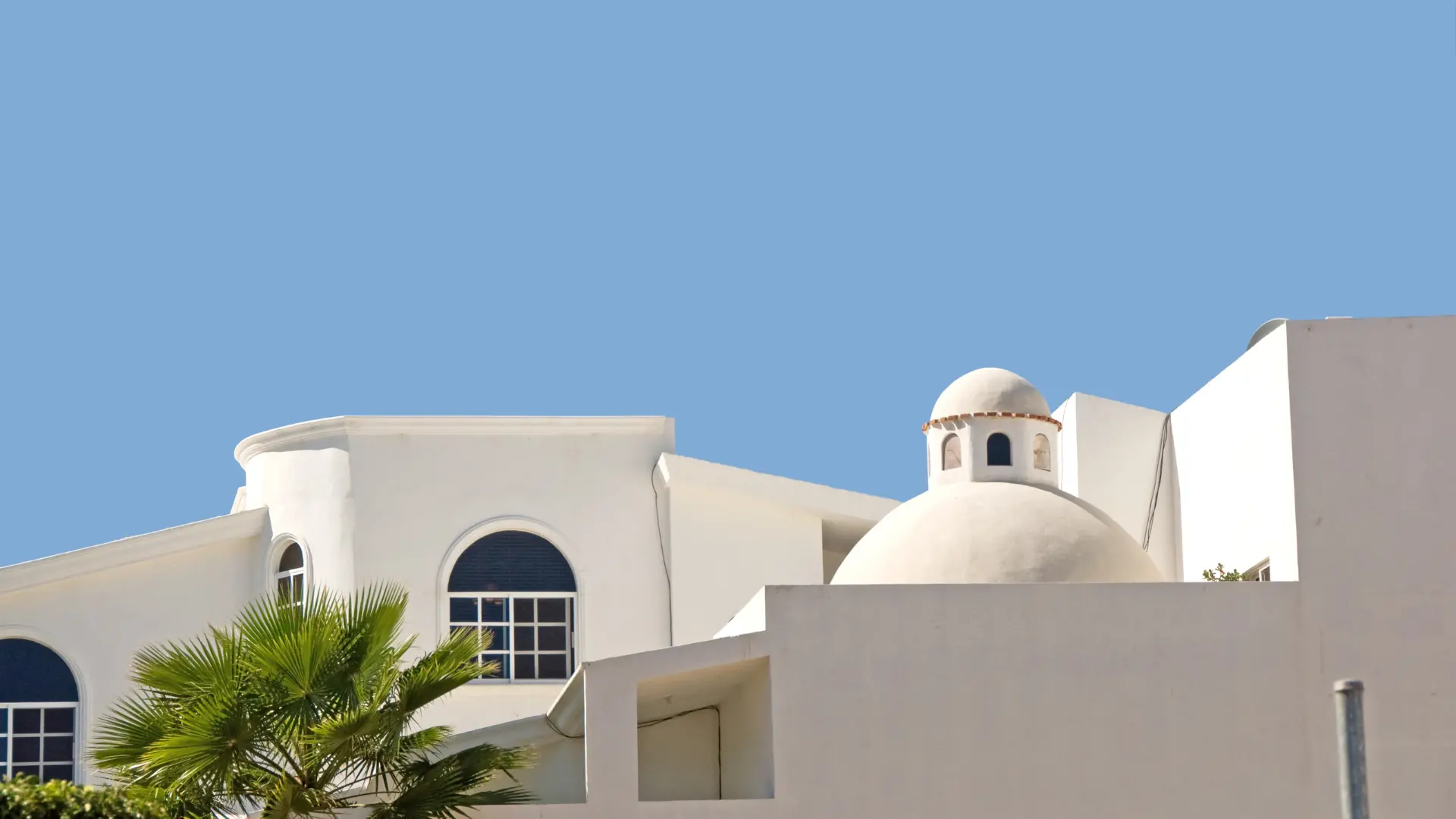 Regional Style Roof[/caption]
 Mix of Regional and Model[/caption]
 Modern but Classic House[/caption]
Cultural and Aesthetic Influences
Indigenous and Colonial Roots
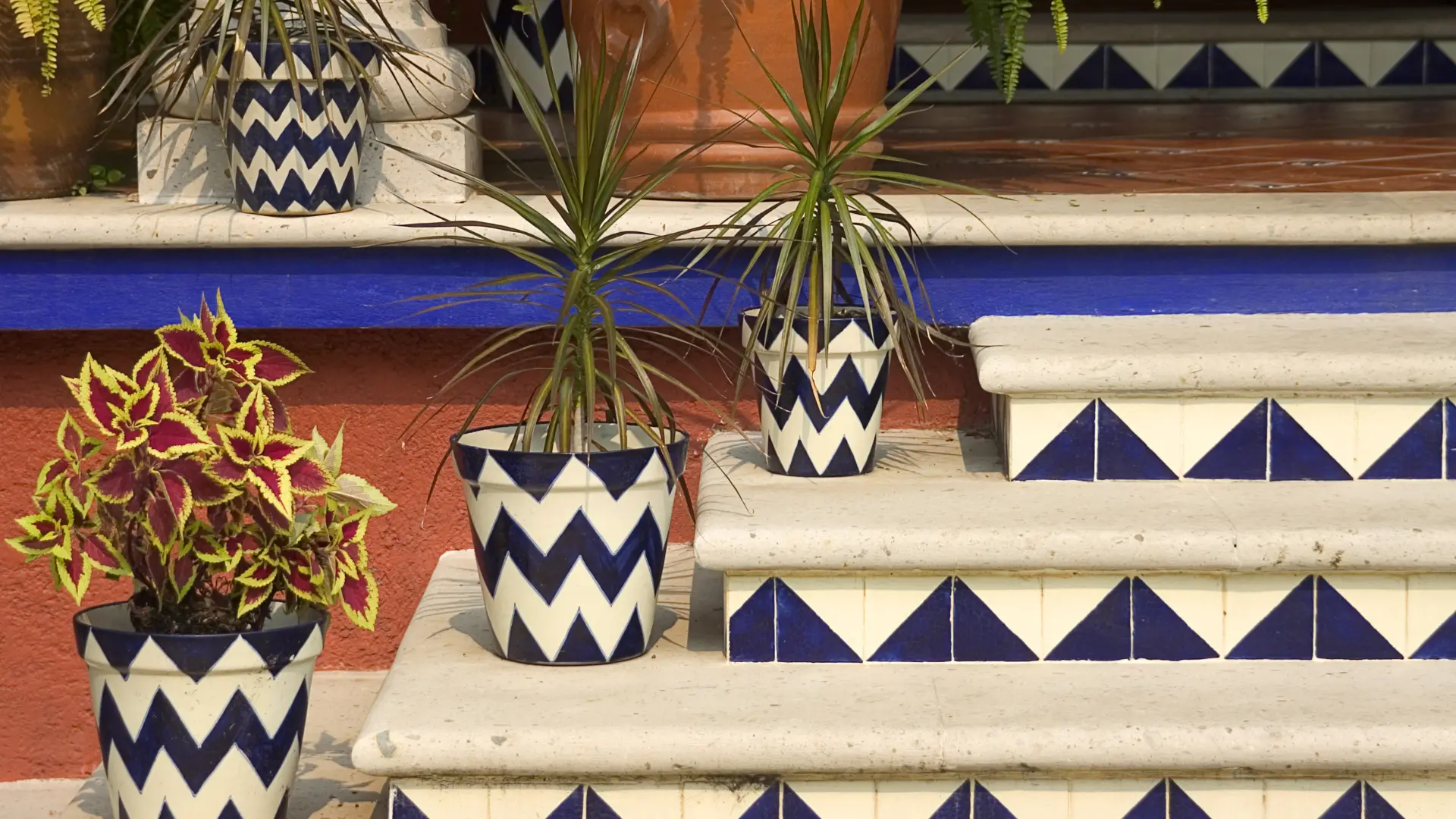
Indigenous traditions influence patterns, colors, and material use. Colonial architecture brought brick, tile roofs, and European forms. Modern Mexican architecture blends these roots, keeping local motifs while adopting contemporary forms.
Contemporary Trends
Today’s designers focus on sustainability, indoor-outdoor flow, and minimalist lines. Exposed concrete, steel frames, and large glass panels coexist with local textiles, tiles, and handcrafted finishes.
 Contemporary Style House[/caption]
Foundations: Slab-on-Grade vs Basement
Most Mexican homes use a slab-on-grade: a single poured concrete layer on the ground. It is simple and affordable, ideal for warm climates where freezing is not an issue. Basements are less common, reserved for cold regions or steep lots. Soil type, drainage, and seismic conditions determine the best foundation type.
Comparison: Mexico vs United States Construction
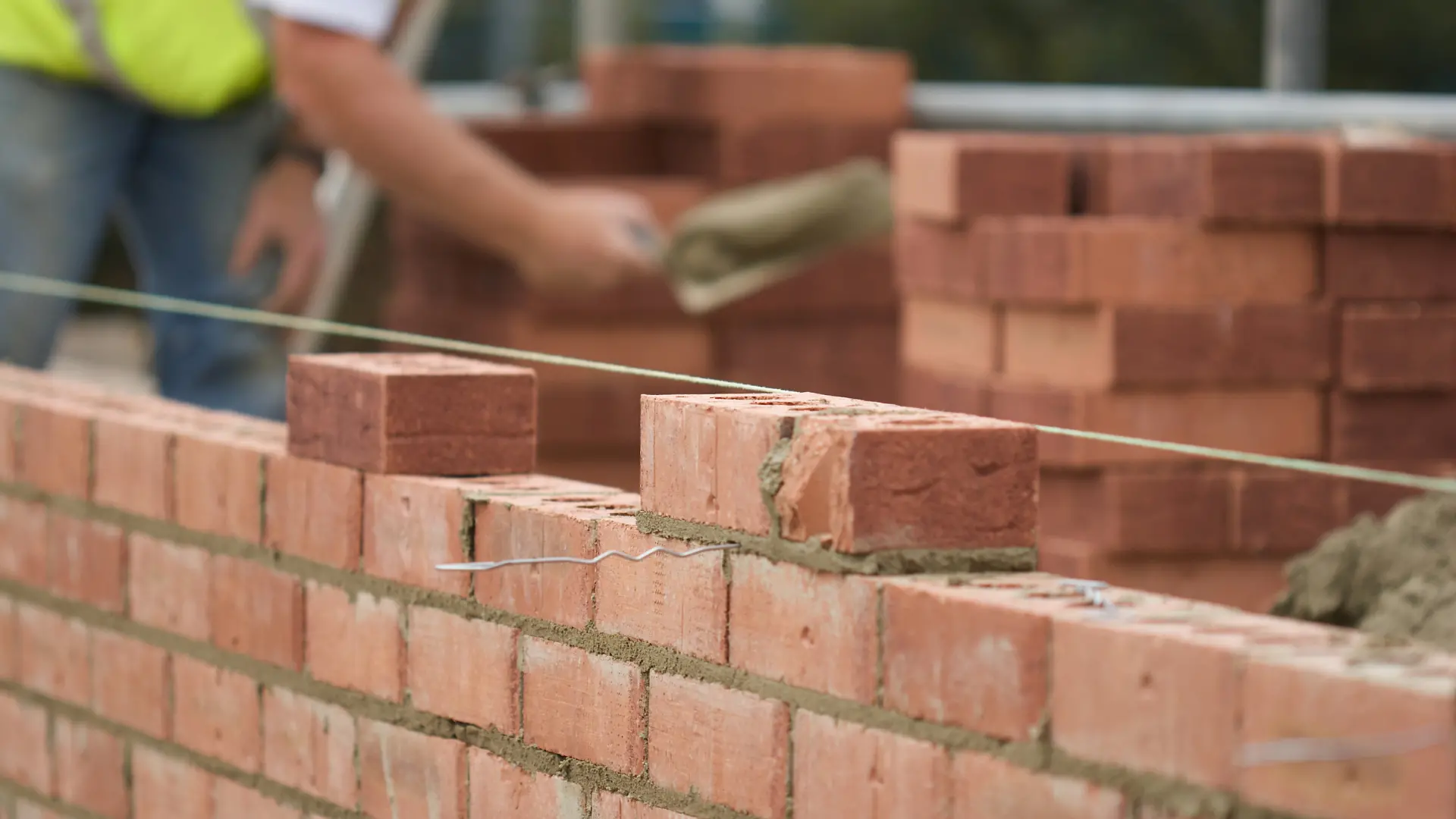
In Mexico, concrete block walls, poured concrete beams, and concrete slab floors are common. They provide durability and seismic resistance. In contrast, the U.S. often uses wood framing, trusses, and wooden subfloors—methods that allow rapid assembly and flexibility. Both approaches reflect climate, resources, and building codes.
Why Basements Are Rare in Mexico
Basements are uncommon mainly because above-ground concrete and masonry structures perform better in earthquakes. Also, ground conditions, water tables, and the costs associated with excavations make basements less practical in many regions.