
Traditional Mexican Architecture: 4 Types of Houses You Can Find
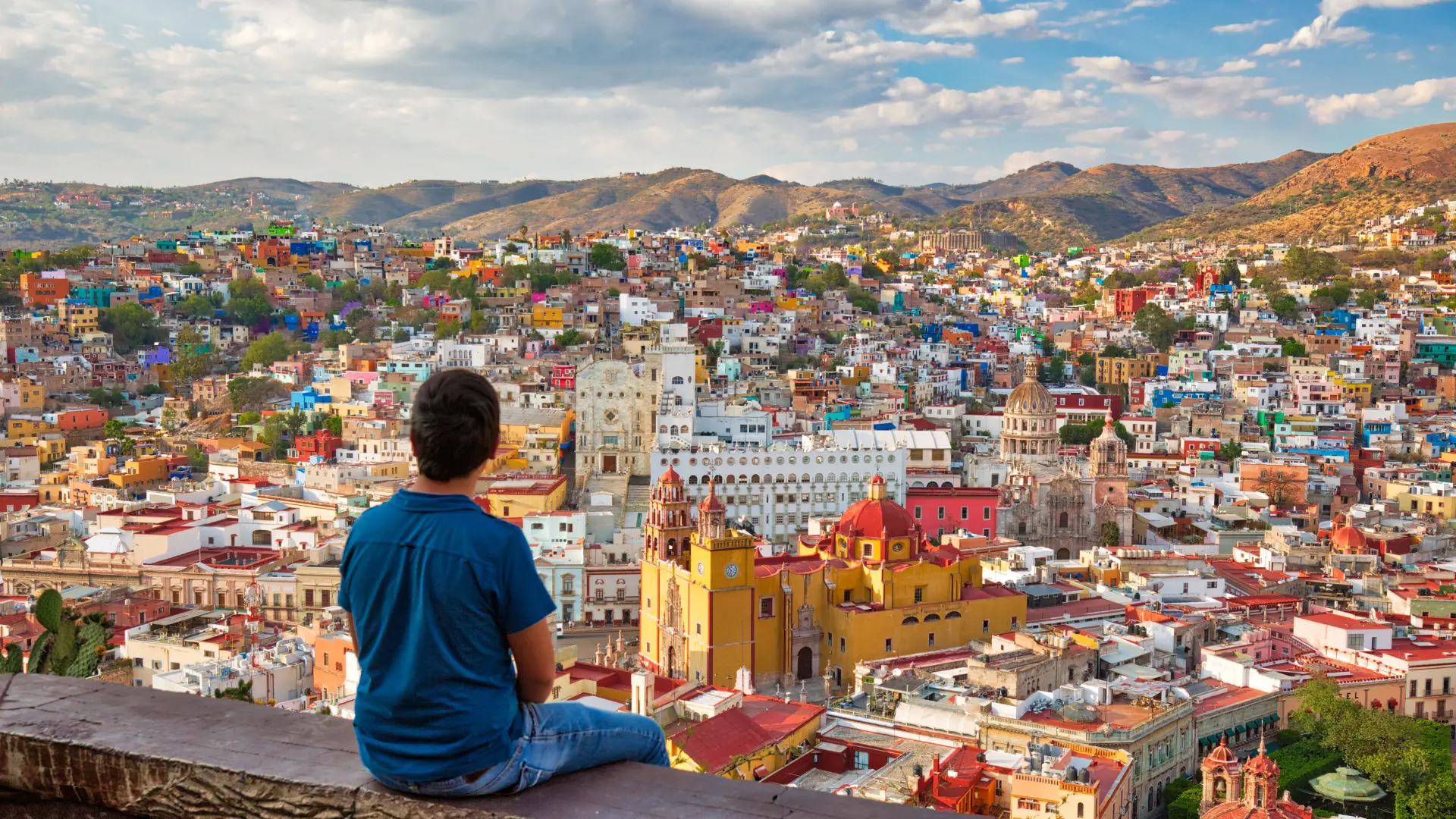
Join us as we stroll through the elegant courtyards of haciendas, wander the cobbled streets of colonial casas, enjoy the coastal allure of beachfront retreats, and admire the timeless beauty of adobe abodes. Each dwelling not only showcases the skill of Mexican builders but also reflects the cultural and environmental contexts that have shaped traditional Mexican architecture.
Get ready to explore the world of Mexican architectural heritage, where tradition blends seamlessly with modernity, and where the essence of Mexico’s soul is etched into every wall. Let’s embark on this journey together.
Haciendas: Timeless Icons of Mexican Architecture
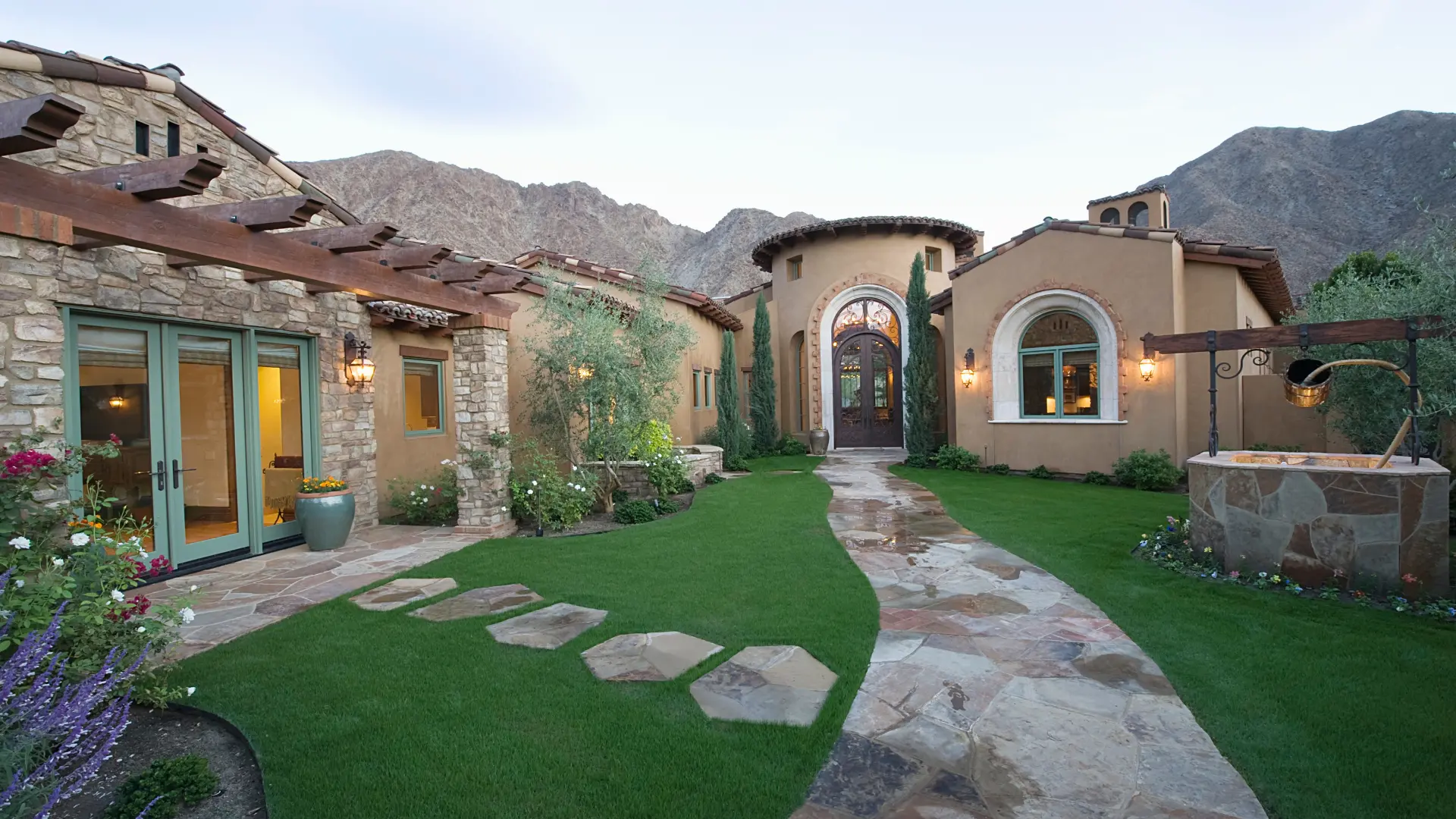
Haciendas stand as enduring symbols of Mexico’s architectural heritage. These sprawling estates, often surrounded by lush landscapes, trace back to the colonial era. Originally large agricultural estates, haciendas served as centers of production and social activity.
Characterized by vast courtyards, imposing facades, and sturdy stone walls, haciendas exude both grandeur and tranquility. Interiors are designed to combat the heat of the Mexican sun, with high ceilings, thick walls, and open layouts that enhance natural airflow.
A hallmark of haciendas is their seamless integration of indoor and outdoor spaces. Patios, gardens, and shaded verandas create areas for leisure, contemplation, and communal gatherings. Many historic haciendas have been preserved or converted into boutique hotels, offering visitors a glimpse into Mexico’s colonial past.
The legacy of these estates endures, serving as iconic examples of traditional Mexican architecture that bridge the gap between past and present.
Colonial Casas: Spanish Influence on Mexican Residences
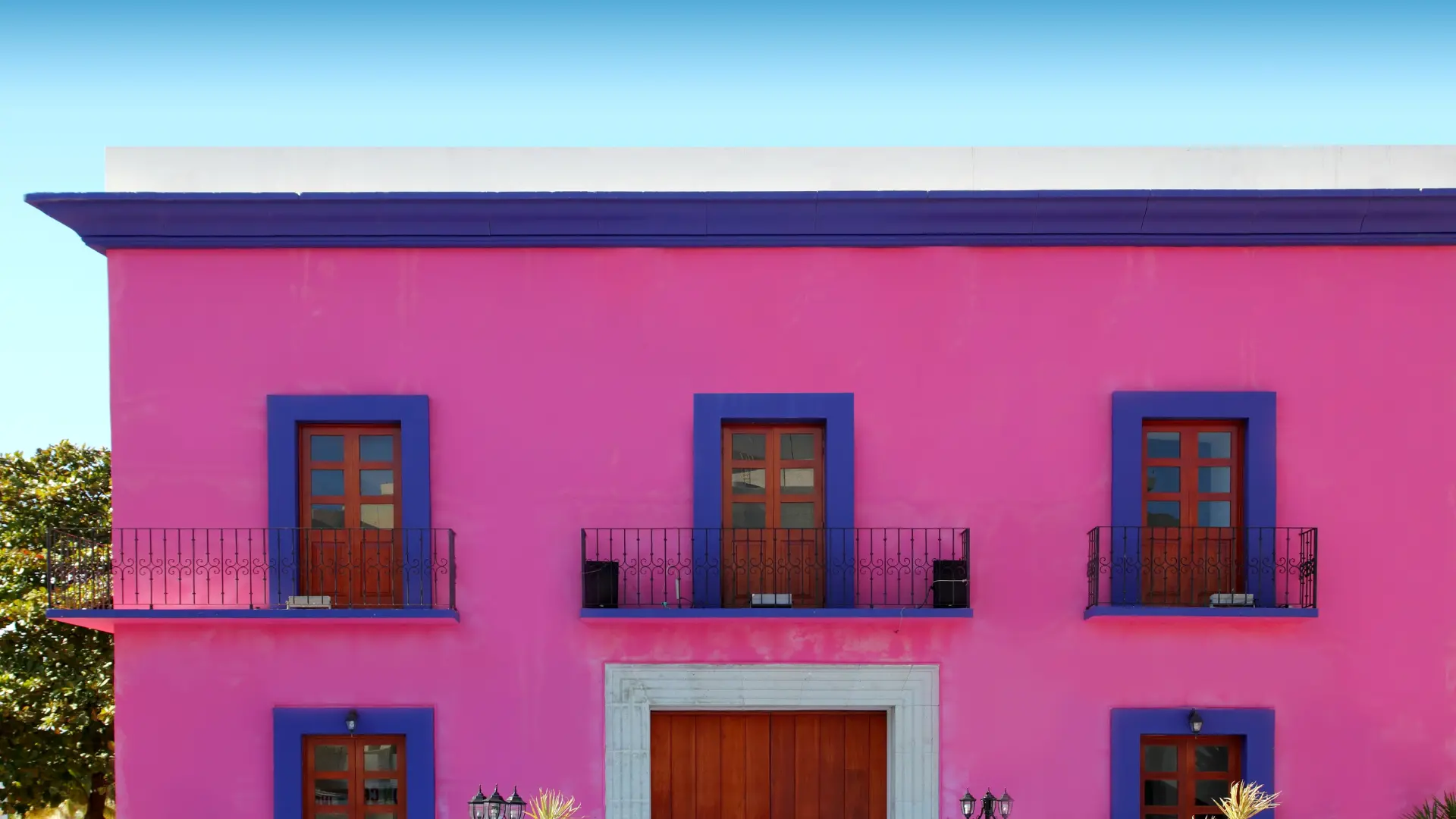
Colonial casas reflect a fusion of indigenous craftsmanship and Spanish design. Emerging during the early colonial period, these homes combine Old World principles with New World materials.
Typical features include adobe or stone walls, red-tiled roofs, and central courtyards. The courtyard acts as the heart of the home, where families gather for meals, conversation, and celebrations amidst gardens and fountains.
Arches, columns, and upper-level balconies highlight Spanish influence, while high ceilings and strategically placed windows ensure ventilation. Over time, local materials like vibrant tiles, intricate ironwork, and wooden shutters added Mexican artistry to the architecture.
Restored colonial casas allow visitors to experience centuries of craftsmanship, making them living examples of traditional Mexican architecture.
Beachfront Retreats: Contemporary Coastal Homes
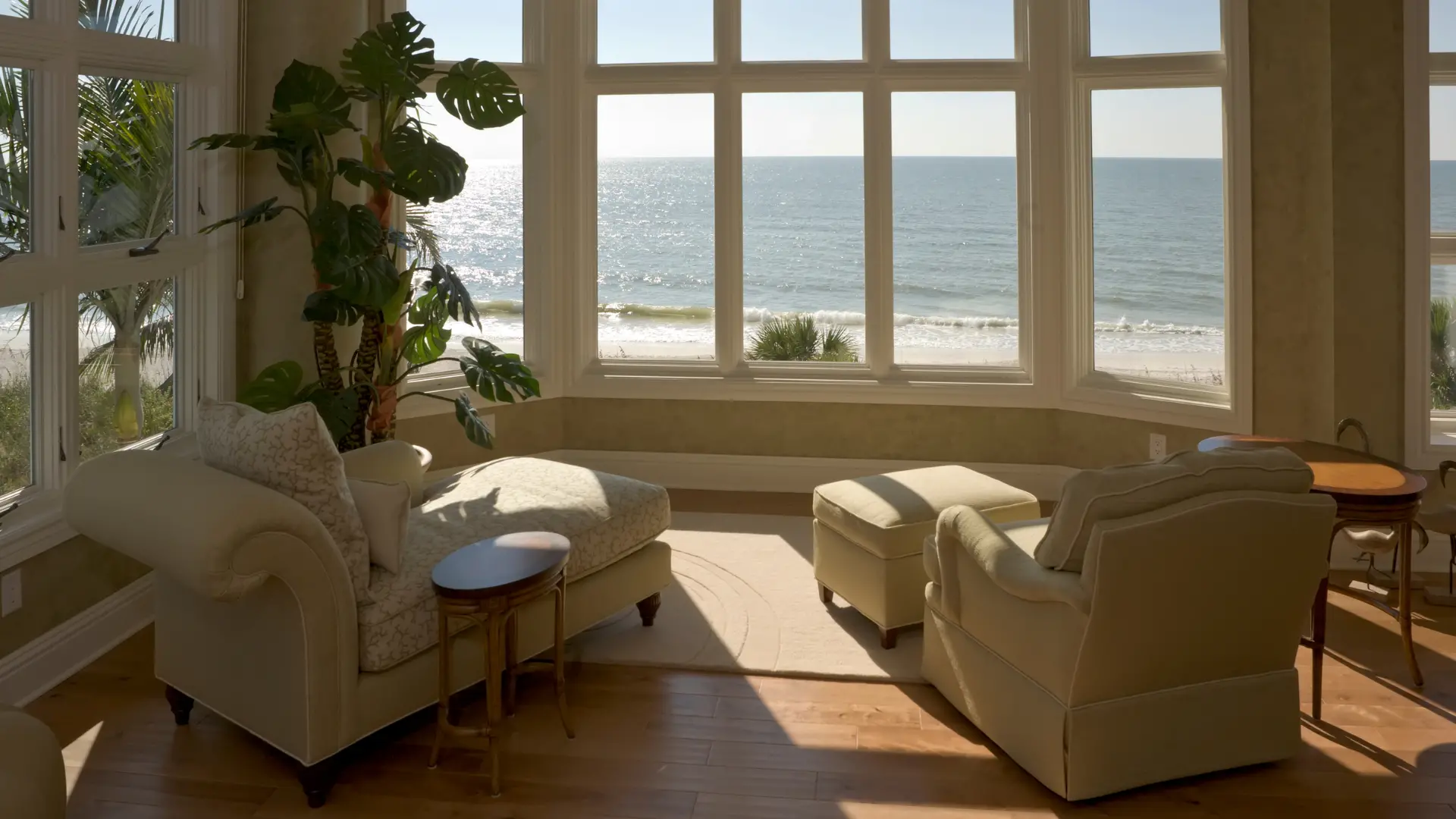
Mexico’s coastline features contemporary coastal homes that merge modern design with natural beauty. These beachfront retreats are characterized by clean lines, open layouts, and large windows that maximize ocean views.
Neutral tones and natural materials like wood and stone create a sense of calm, while terraces, private pools, and outdoor lounges enhance seaside living. Sustainable features such as rainwater harvesting and solar panels align with eco-conscious principles.
Strategically placed vegetation provides shade, and natural ventilation takes advantage of ocean breezes. These homes offer a luxurious and harmonious coastal lifestyle while remaining connected to the environment.
Even in modern coastal retreats, designers often draw inspiration from traditional Mexican architecture, blending cultural heritage with contemporary comfort.
Adobe Abodes: Traditional Earthen Dwellings
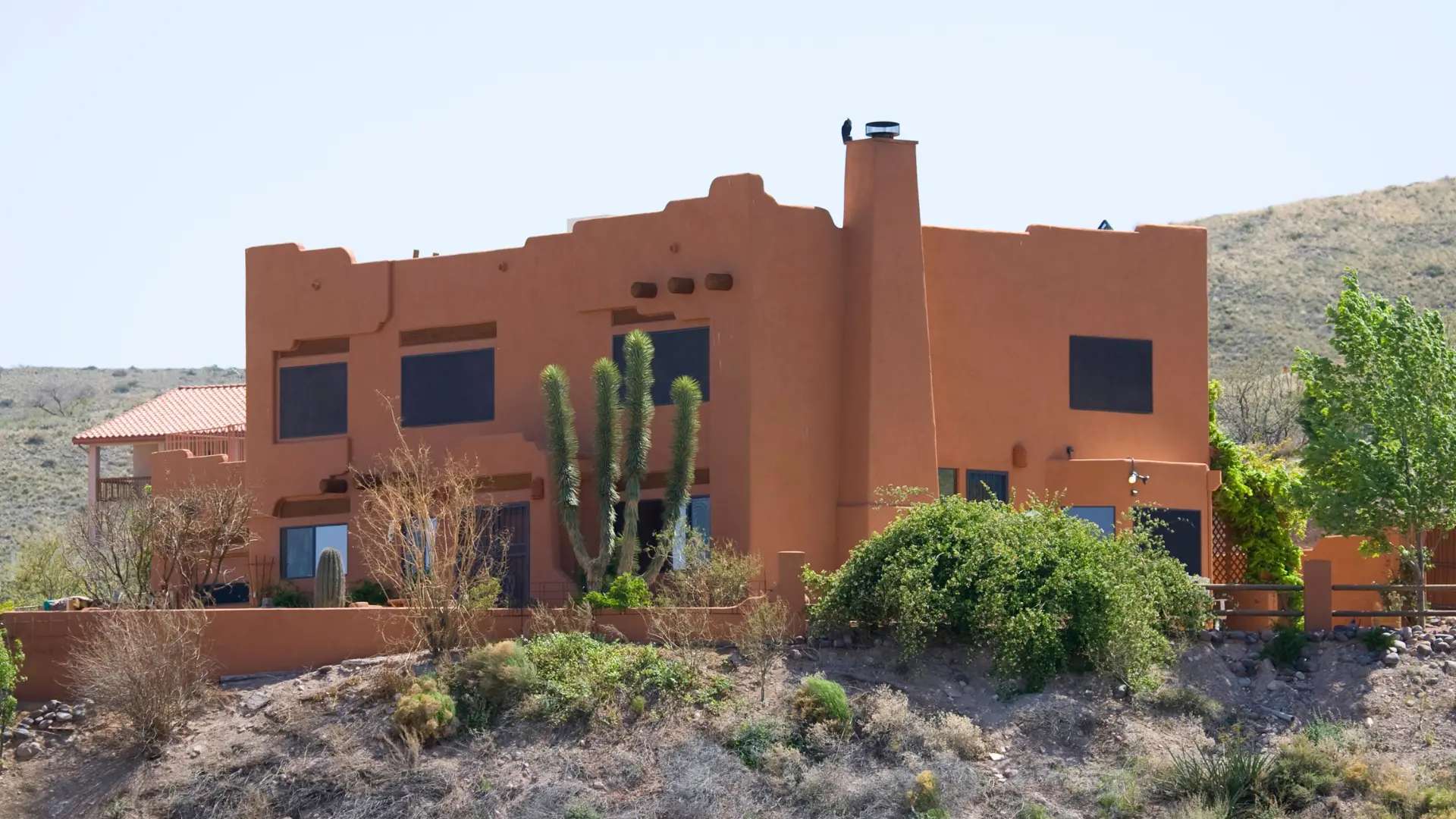
Adobe homes are among the most iconic symbols of traditional Mexican architecture. Constructed from sun-dried mud bricks, straw, and occasionally lime, these earthen dwellings provide excellent insulation, keeping interiors cool during hot months and warm in cooler seasons.
Rounded edges, flowing lines, and low-sloping roofs reflect an organic integration with the natural landscape. Central courtyards often serve as intimate gathering spaces, while wooden beams and ceramic tiles complement the earthy tones of the walls.
Modern adobe constructions combine traditional techniques with contemporary design, emphasizing sustainability and eco-friendliness. These homes maintain a deep cultural connection while providing functional, comfortable living spaces.
Conclusion: Celebrating the Richness of Traditional Mexican Architecture
From the grandeur of haciendas to the colonial charm of casas, the modern appeal of beachfront retreats, and the earthy simplicity of adobe abodes, traditional Mexican architecture offers a rich and diverse heritage. Each style tells a unique story, reflecting Mexico’s history, culture, and ongoing creativity.
As architects continue to draw inspiration from these traditions, we can expect even more innovative approaches to housing, ensuring that Mexico’s architectural legacy thrives for generations to come.