
Standing Desktop: Transform Your Workday and Boost Productivity
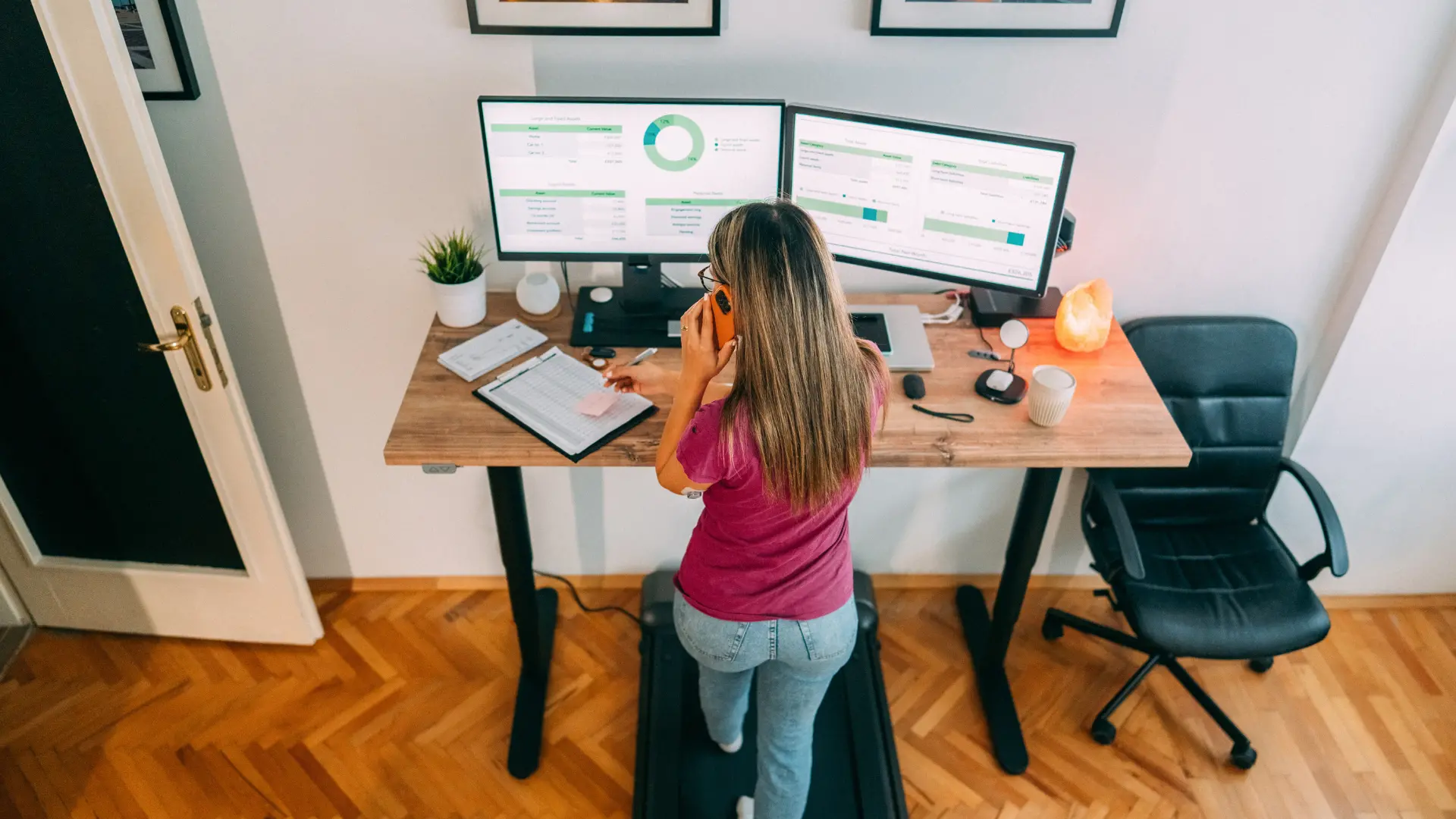
In today’s tech-driven world, long hours spent sitting at a traditional desk have become a serious health concern. Modern work often demands constant screen time, leading to physical strain and reduced energy levels. A standing desktop offers a practical solution, promoting an active workstyle that encourages movement and proper posture throughout the day. By integrating a height-adjustable desk into your workspace, you can create a healthier environment that supports both productivity and well-being. This article explores how a standing desktop can transform your workday, the benefits it provides, and the best practices to maximize its effectiveness.
The Standing Desktop Revolution
Workspaces have evolved significantly over the last decade, and the standing desktop has emerged as a central element in this transformation. Traditional seated workstations are increasingly being replaced by height-adjustable desks that allow users to alternate between sitting and standing seamlessly. This shift represents more than just a physical change; it reflects a growing awareness of the importance of maintaining an active lifestyle, even during working hours. Adopting a sit-stand desk is part of a broader revolution in workplace design that emphasizes ergonomics, health, and efficiency. Companies and home offices alike are embracing these innovative desks, recognizing the value they bring to overall well-being and daily performance.
Health Benefits of a Standing Desktop
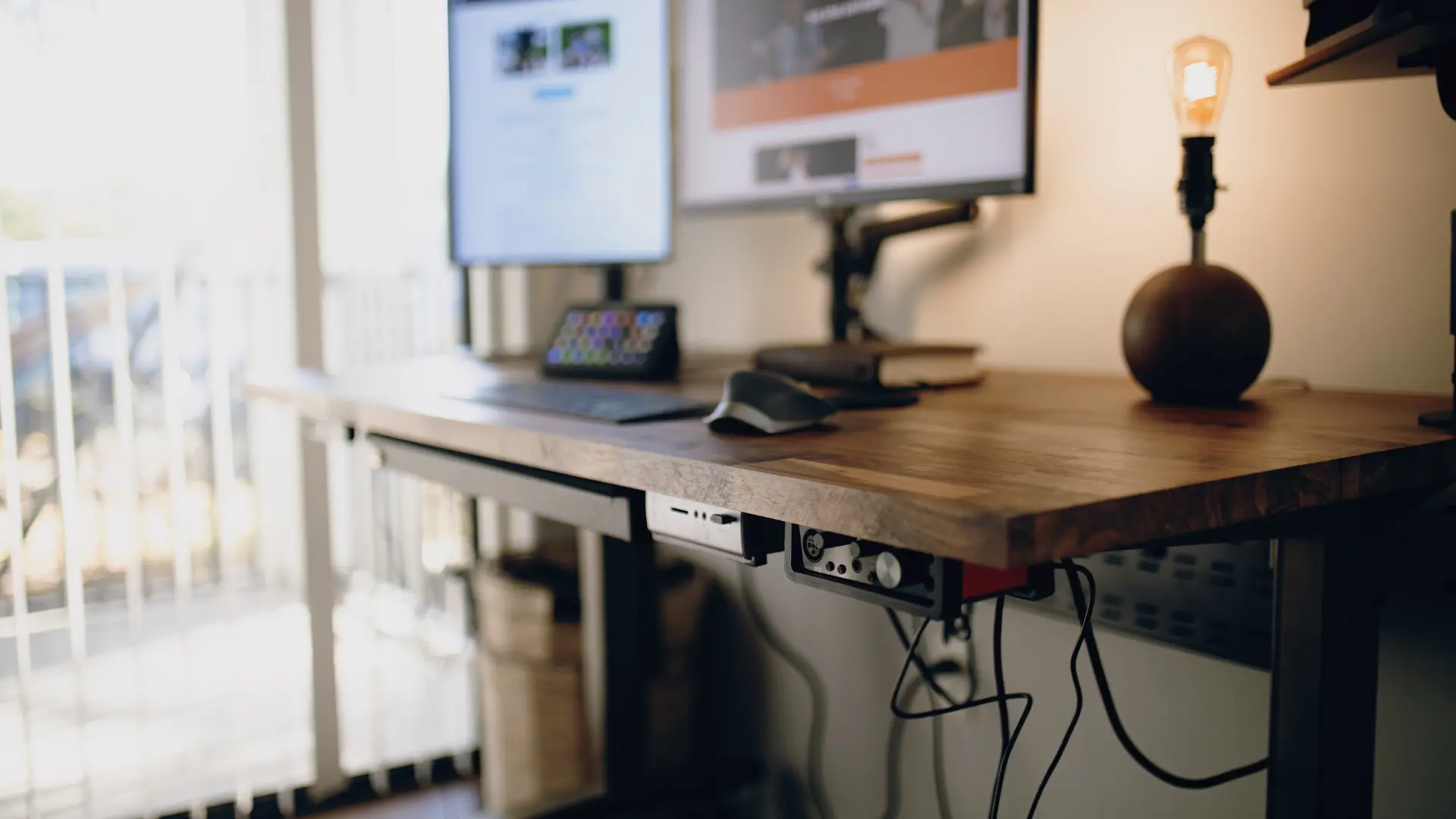
The physical toll of prolonged sitting is well-documented. Extended periods of sitting can lead to poor posture, back and neck pain, reduced circulation, and an increased risk of chronic conditions such as obesity, diabetes, and cardiovascular disease. A standing desktop directly addresses these issues by encouraging a more natural alignment of the spine and promoting regular movement throughout the day.
Using a standing desktop helps activate muscles that are otherwise underutilized during long sitting sessions. It improves circulation, prevents stiffness, and can even enhance metabolic function, supporting weight management and overall physical health. Beyond the physical benefits, standing while working has been shown to improve mental focus and alertness. Many users report feeling more energized and engaged when using a sit-stand desk, demonstrating that this simple adjustment can positively impact both body and mind.
Boosting Productivity with a Standing Desktop
Implementing a standing desktop in your workspace offers multiple productivity advantages. Standing naturally encourages increased blood flow and oxygen delivery to the brain, which can enhance focus, creativity, and problem-solving capabilities. Studies have shown that employees who alternate between sitting and standing report higher energy levels and improved concentration, leading to more efficient workflows.
Moreover, a standing workstation can positively influence workplace habits and routines. The act of standing periodically breaks the monotony of a traditional seated day, encouraging micro-movements such as stretching, walking, or shifting weight, which contribute to long-term physical health. The caloric expenditure associated with standing also adds a subtle but consistent benefit to overall fitness, reinforcing the holistic advantages of a sit-stand desk. By integrating a standing desktop, you create a workspace that supports both performance and health, fostering an environment conducive to sustained productivity.
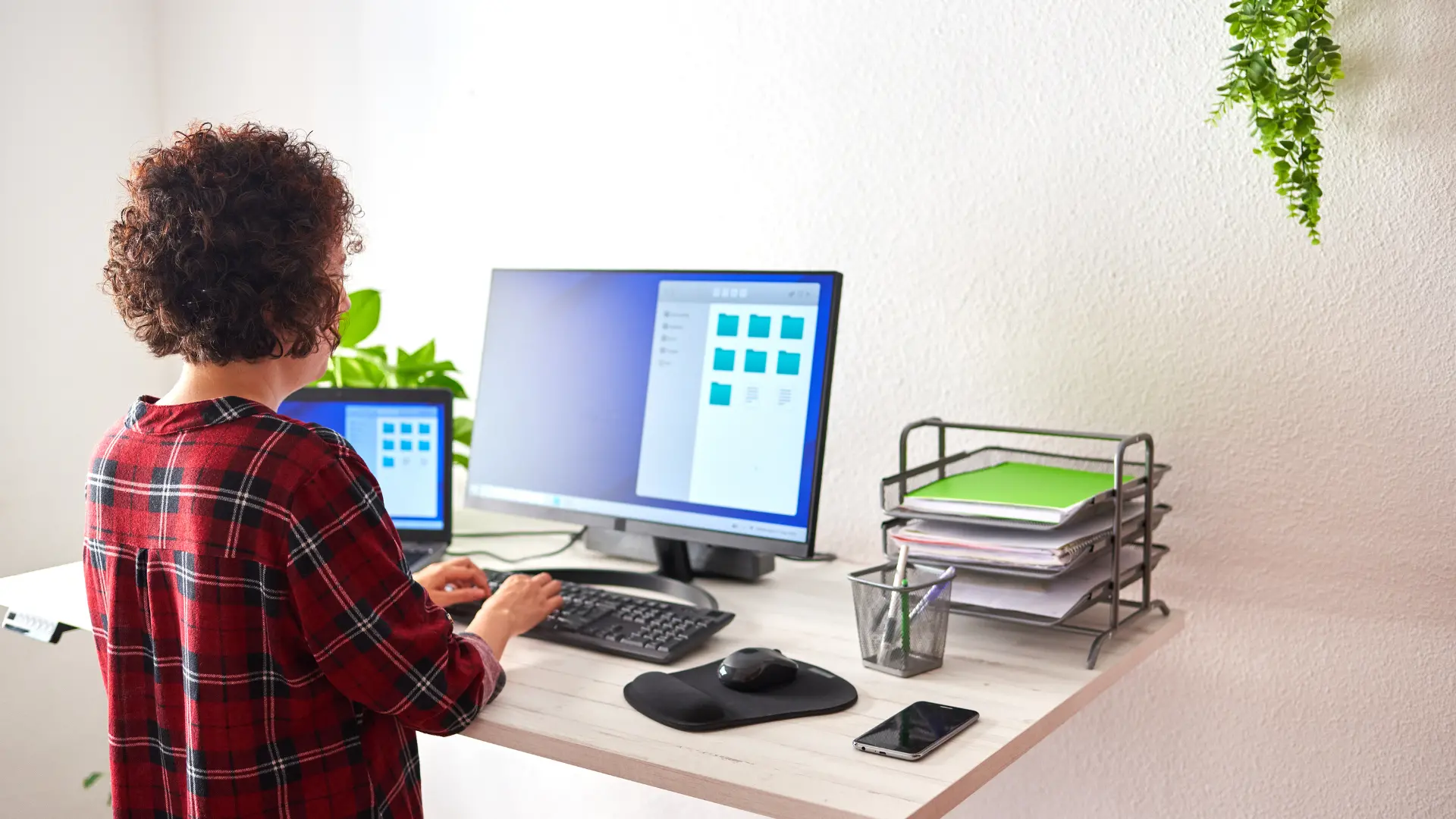
Ergonomics: Setting Up Your Standing Desktop
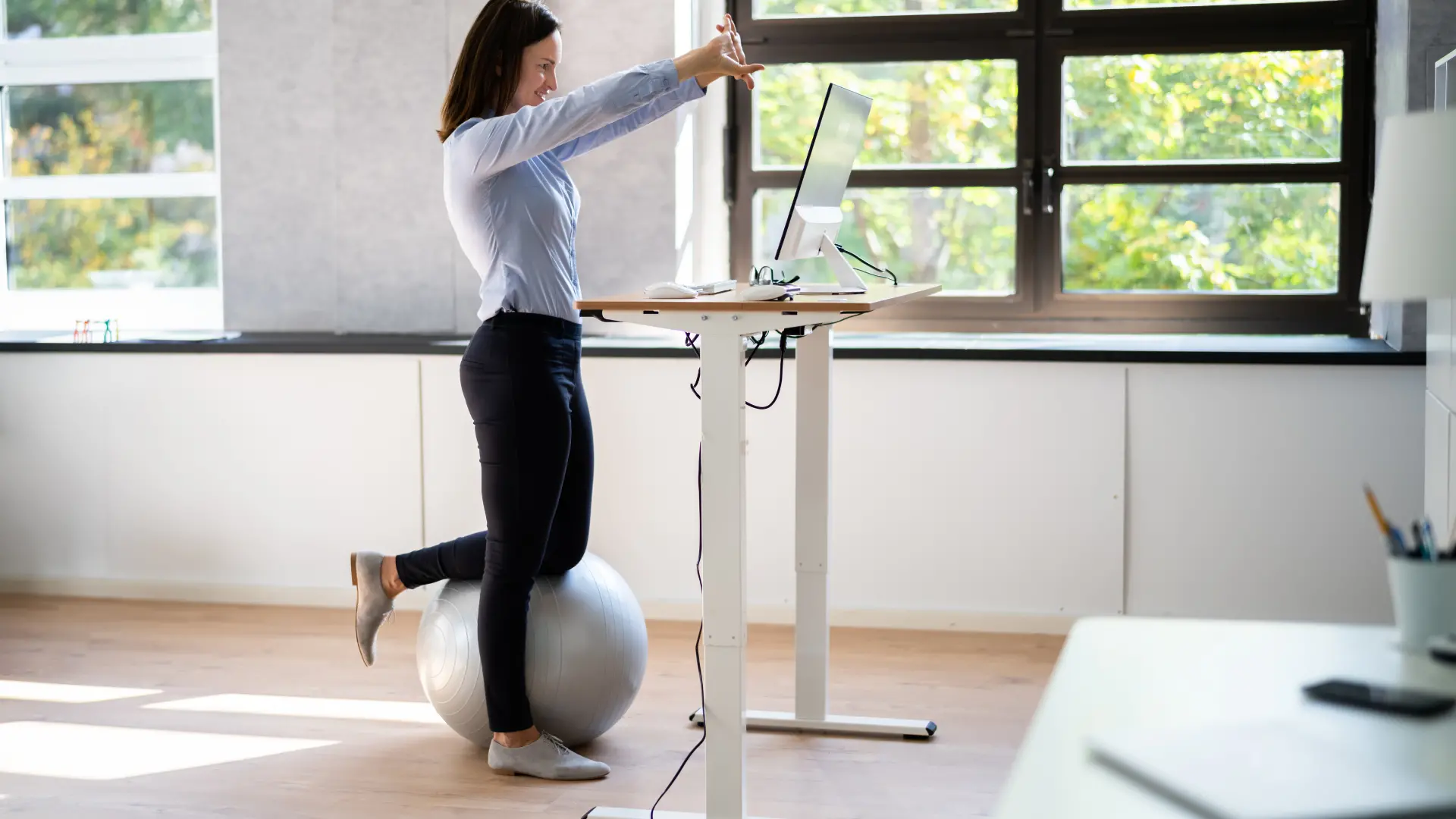
Maximize the benefits with proper setup:
- Screen Placement: Keep monitors at eye level to prevent neck strain.
- Keyboard and Mouse: Position at elbow height for wrist and shoulder comfort.
- Footwear: Supportive shoes reduce pressure on feet.
- Anti-Fatigue Mat: Cushions feet during long standing sessions.
- Alternate Foot Positions: Shift weight and use a footrest to reduce strain.
- Movement: Stretch, roll shoulders, and avoid locking knees.
Following these guidelines ensures comfort, productivity, and a smooth transition between sitting and standing.
Overcoming Standing Desktop Challenges
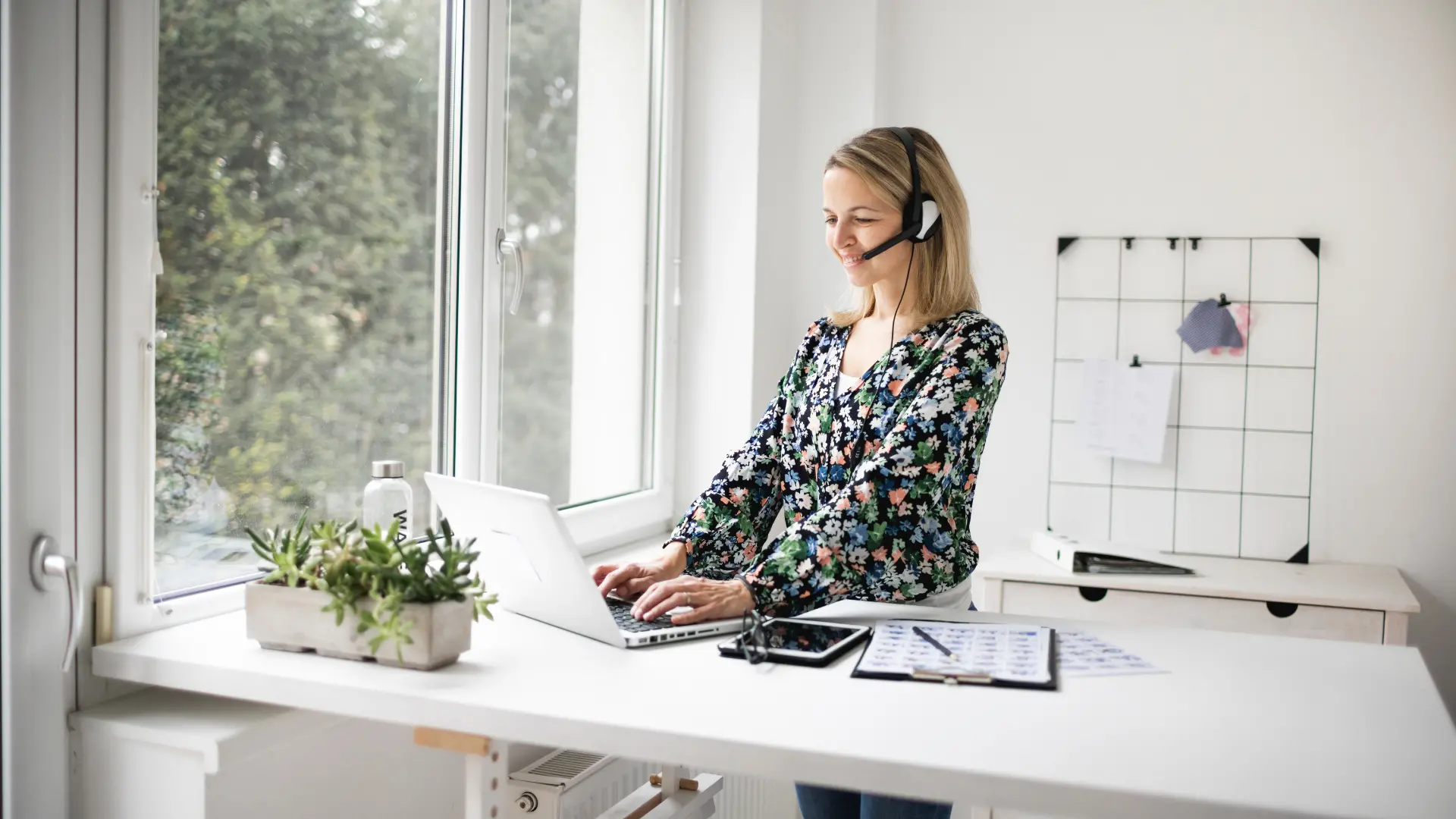
Initial challenges are normal:
- Standing Fatigue: Start with short intervals and gradually increase time.
- Foot Discomfort: Use supportive shoes and anti-fatigue mats.
- Adjustment Period: Muscles and joints need time to adapt.
- Balance: Alternate between sitting and standing to prevent strain.
- Hydration: Better circulation can make you feel warmer—drink water.
- Posture Checks: Stand tall with relaxed shoulders and aligned spine.
With patience, a standing desktop can seamlessly integrate into your daily routine.
Conclusion: Embrace the Standing Desktop
Transitioning to a standing desktop is more than a posture change—it’s a commitment to health, energy, and productivity. By understanding the risks of prolonged sitting, exploring benefits, and setting up your workspace ergonomically, you can transform your workday.
Each moment spent standing is a step toward a healthier, more vibrant future. A standing desktop empowers you to create an active, productive workspace while maintaining comfort and well-being.