The Future of Architecture: 6 Trends to Watch in 2024
The world of architectural design is constantly evolving, and 2024 promises to bring us new horizons of creativity and functionality.
Today, we embark on a journey into the future to glimpse the architectural trends we will see next year. A landscape where sustainability runs through artistic expression and innovation, without forgetting the focus on comfort and functionality.
2024 presents itself as an exciting chapter in the face of contemporary challenges. Pay attention to these 6 interesting trends!
1. ** Sustainable buildings
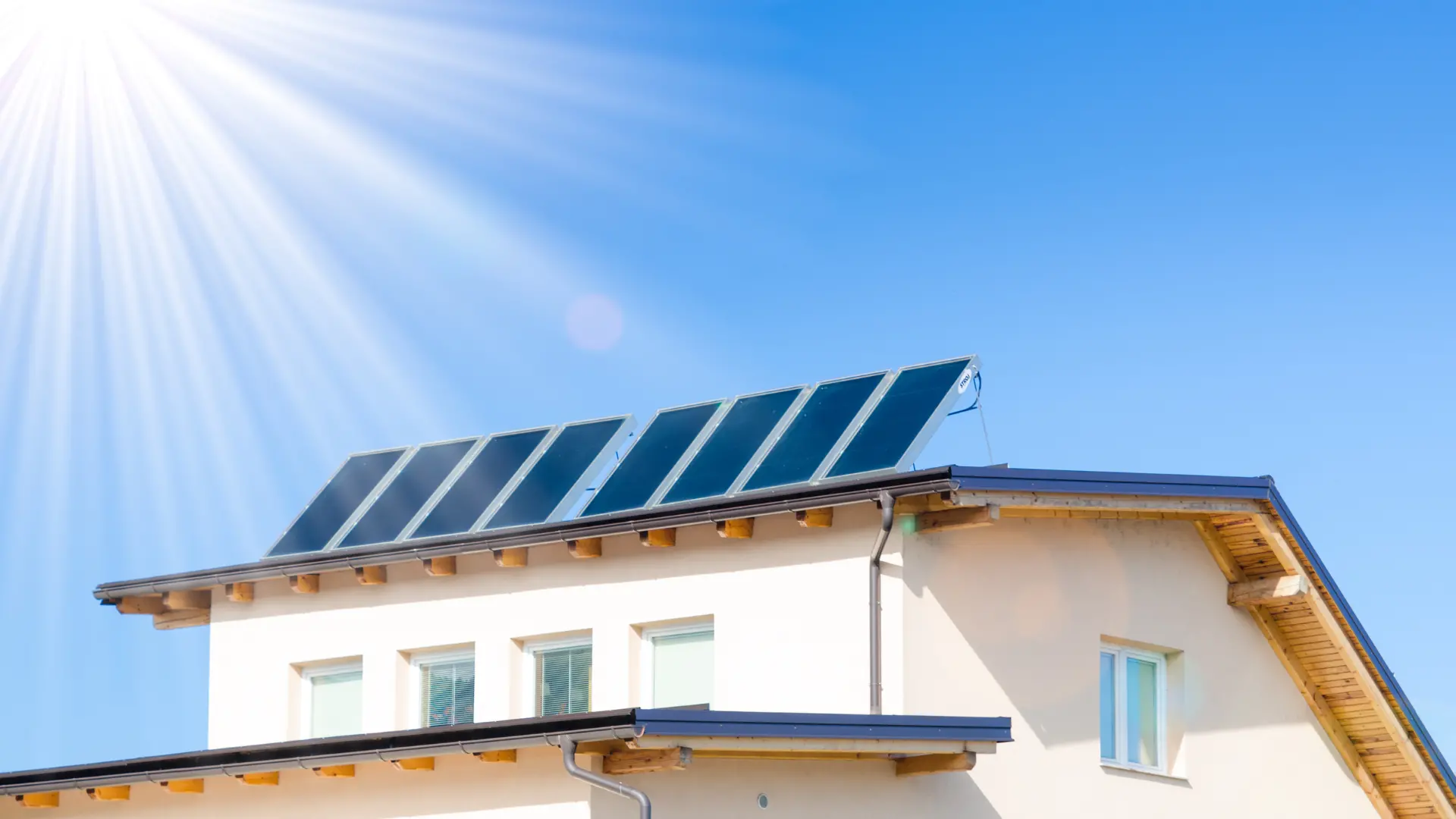
The construction industry has a high energy impact. In particular, buildings are responsible for around 40% of energy consumption and 36% of CO2 emissions, something that was pointed out in the latest report by the UN climate panel with a view to seeking a reduction in these figures.
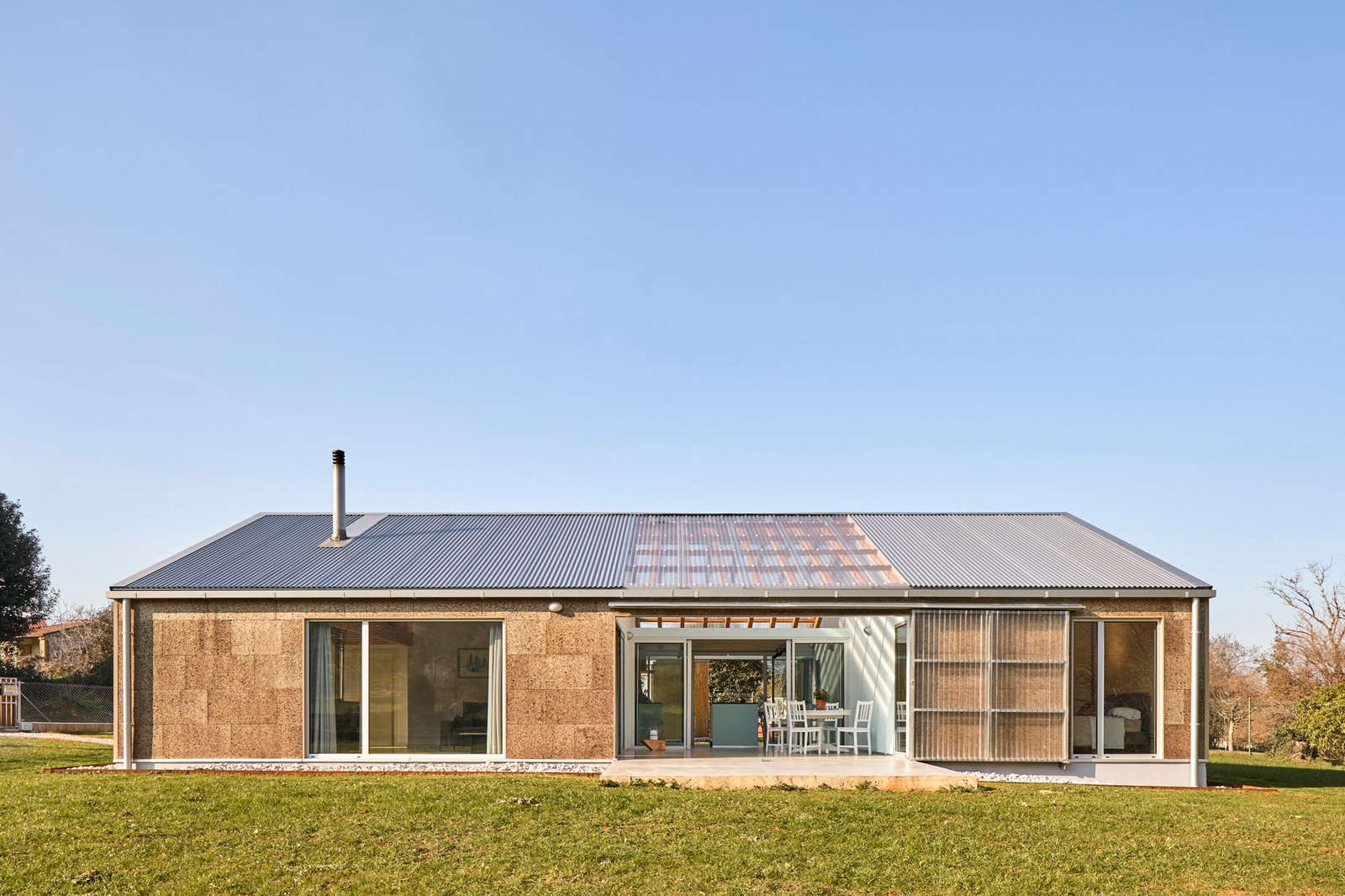
Only in Spain, four out of five buildings are energy inefficient. That’s right: sustainability is and will be an urgent trend and architecture firms are constantly looking for solutions to reduce those energy impacts. One example we saw this year in Living Places Copenhagen, a project by Velux that demonstrates how to build homes with a CO2 footprint of 3.8 kg/CO2/m2/year, three times lower than current Danish legislation and at a price that fits the market price of a single-family or semi-detached home on a large scale.
2.** New materials: cork, recycled wood, and stone
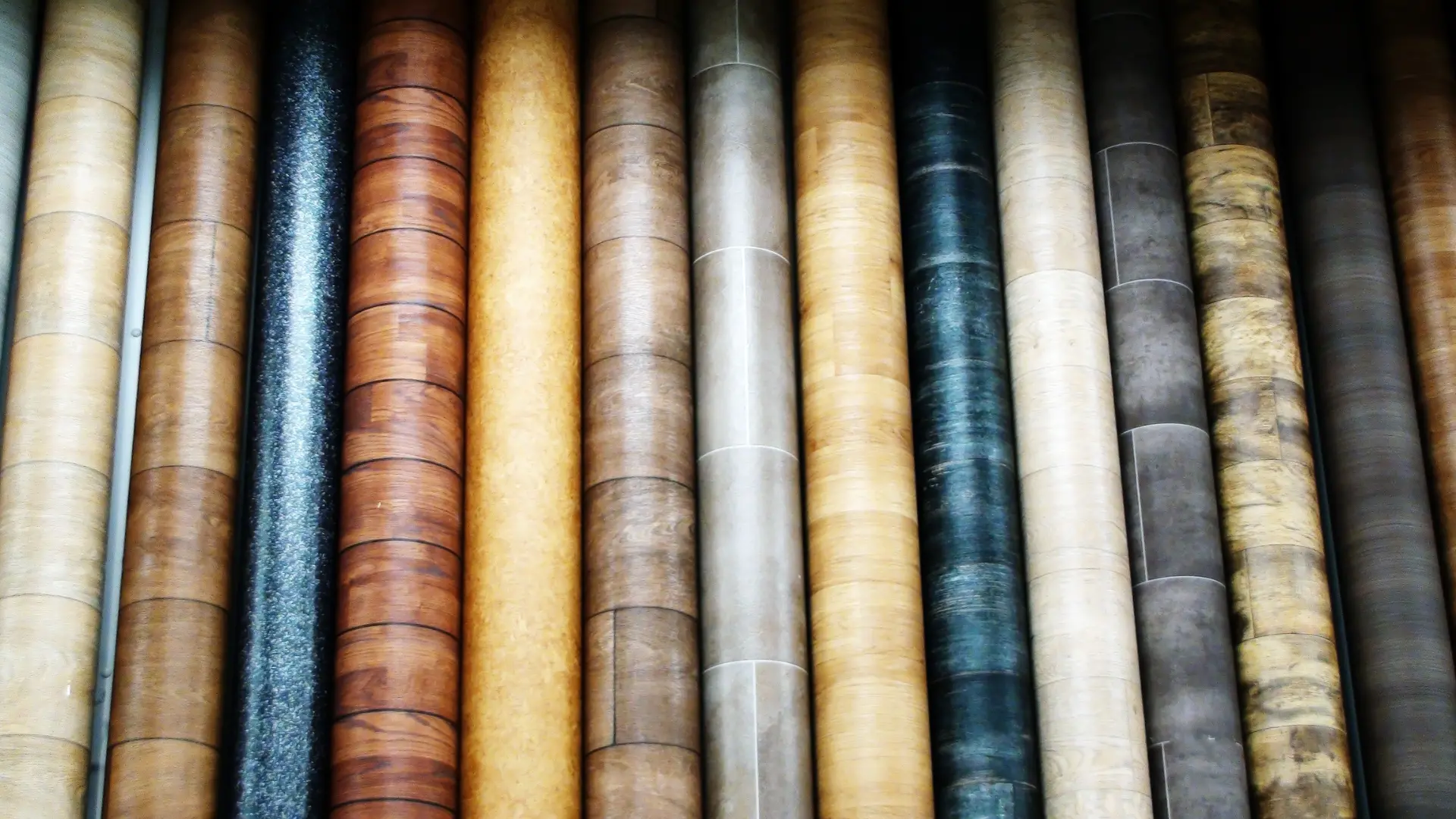
The search for more environmentally friendly materials will continue to define architecture next year. Panels that imitate wood, porcelain tiles, and vinyl flooring will go hand in hand with construction materials such as cork and recycled woods.
A glimpse of this was seen this year in this home designed by the cooperative architecture firm Gurea in Cantabria. A compact pre-industrialized home in which its facade, made of cork and wood, dialogues with the environment.
3. ** Modular and prefabricated houses
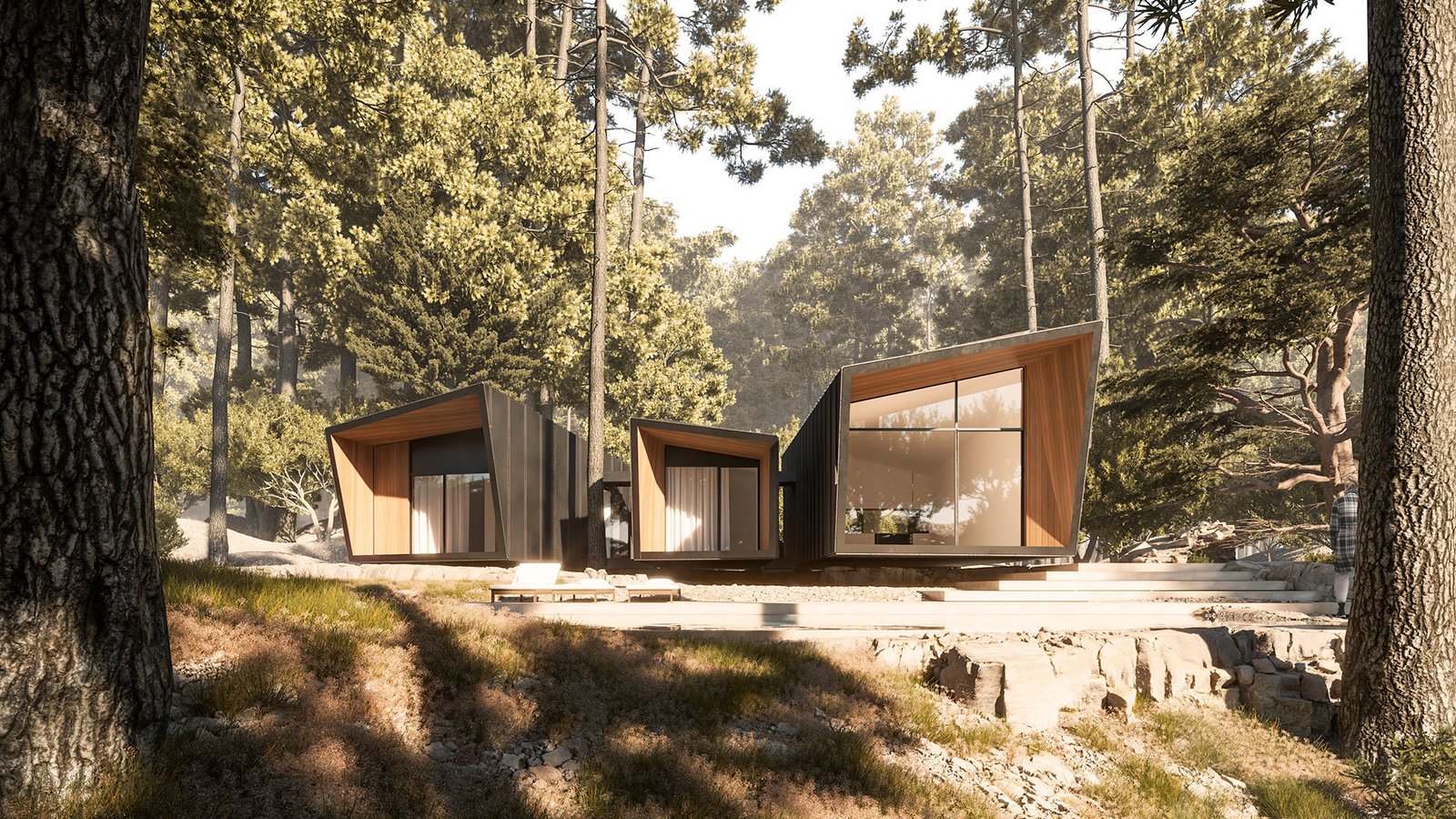
Modular and prefabricated construction has been gaining ground in recent years, but it will be even more present in 2024. Not only because it allows a faster and more adaptable type of construction, but because it offers a lot of efficiency in terms of environmental impact, since its pre-industrialized components are manufactured in controlled environments and transported for assembly at the destination. Thus, less materials are wasted and the environment is respected in a more effective way.
An example in which design and innovation are combined is this prefabricated house by Morph Estudio for the Valencian firm InHAUS.
4.** Biophilic design
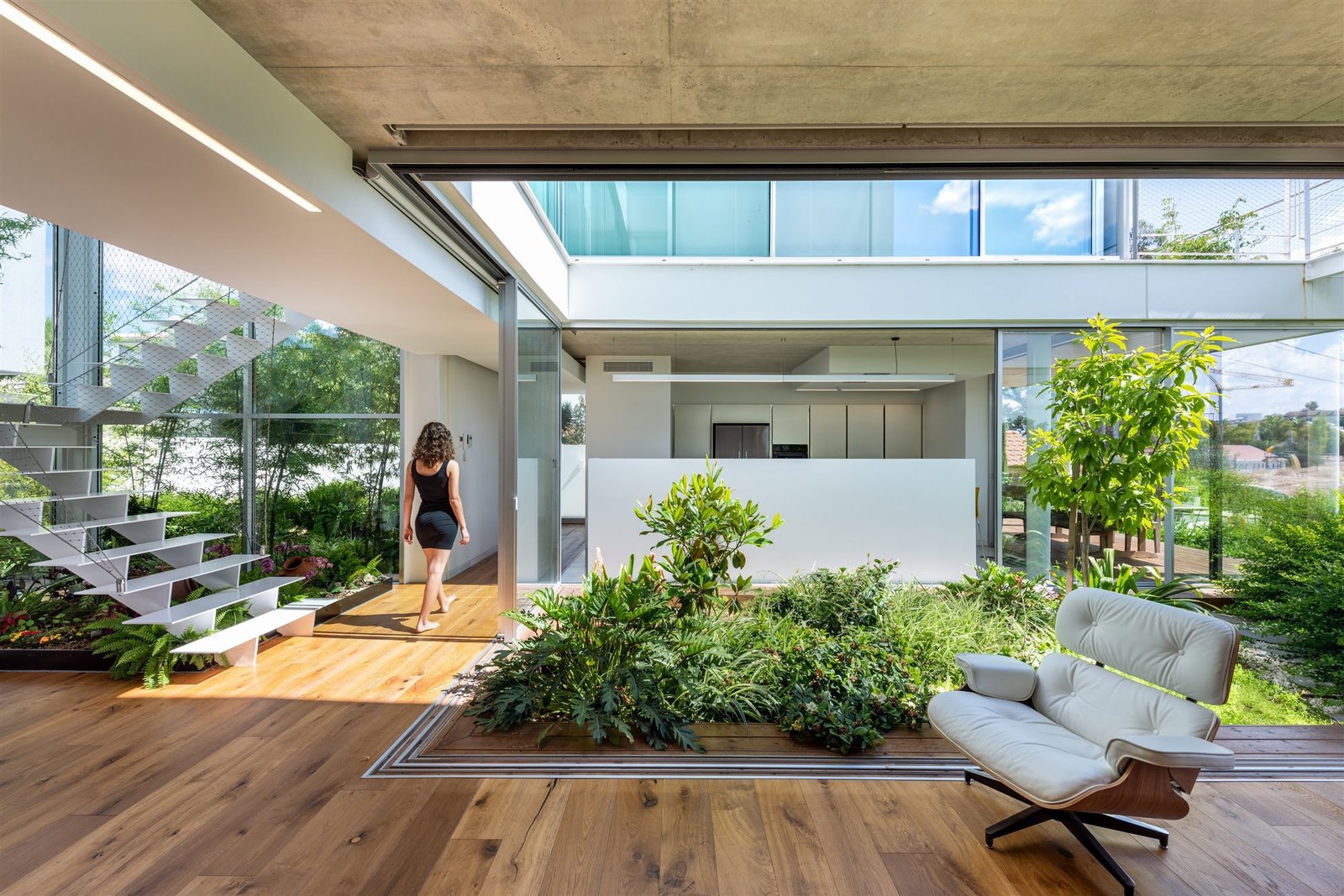
Nature began to invade interiors a couple of years ago, with the intention of restoring that connection with natural landscapes and generating more comfortable spaces. That trend is here to stay and, in 2024, it will continue to evolve to create an architecture in which plants, water, and light become key elements of the design.
The goal: to create spaces that promote a well-being environment, help combat stress, boost creativity, and make us, in short, happier.
And this is especially important in cities, where there are projects that anticipate the future with urban and private gardens that generate microclimates. Such is the case of this home in Nicosia, Cyprus, designed by Christos Pavlou Architecture. In it, all spaces are connected to the exterior and are organized around a central courtyard located between two white volumes.
5.** Infinite opening
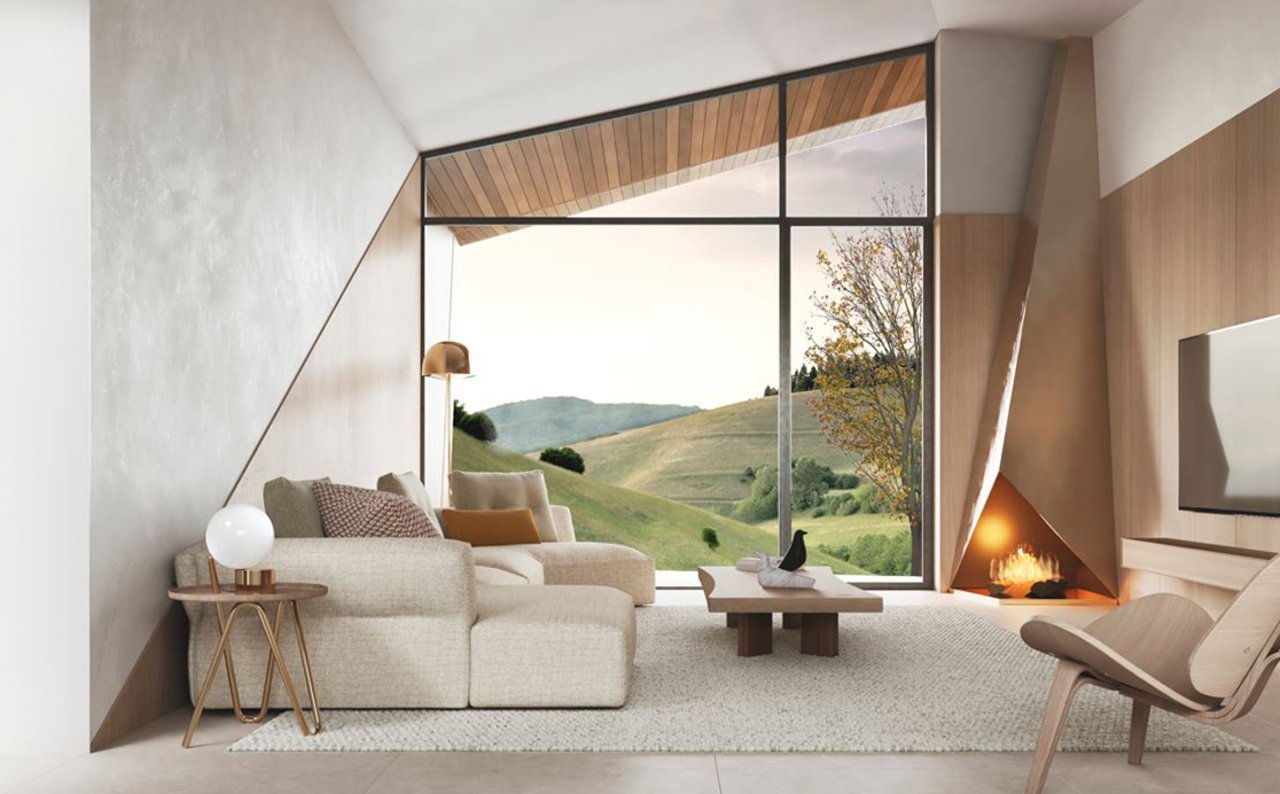
Gone are the days of small windows and curtains jealously guarding privacy. If anything has triumphed in recent years, it is the commitment to openness. And the houses of 2024 will be no less.
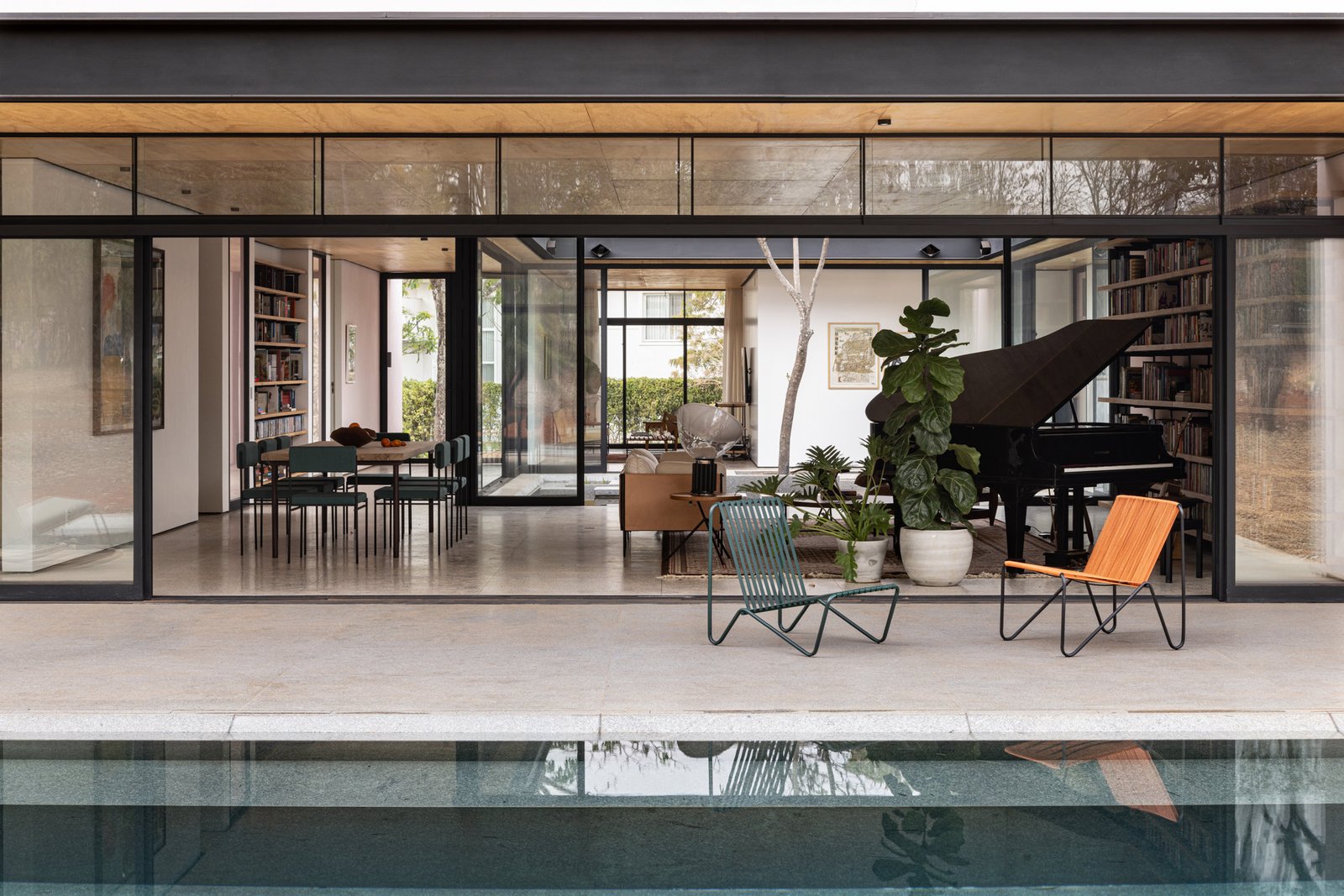
With almost transparent facades, huge windows communicate the different rooms of the house of the future. The division is only apparent and leaves room for another of the keys that we will see already consolidated next year: flexibility and versatility. A great example of this great opening of spaces we have seen in this house designed by the architecture firm Equipe Lamas, in Brasilia. A system of open boxes house the different uses of the home around a large interior patio.
6.** Multifunctional spaces
A dining room that can be a living room, a living room that can be part of the terrace or turn around to watch TV, a rest area that transforms into an office… If anything 2020 left us is this new way of architecturally designing the interiors and rethinking the distribution of our homes.
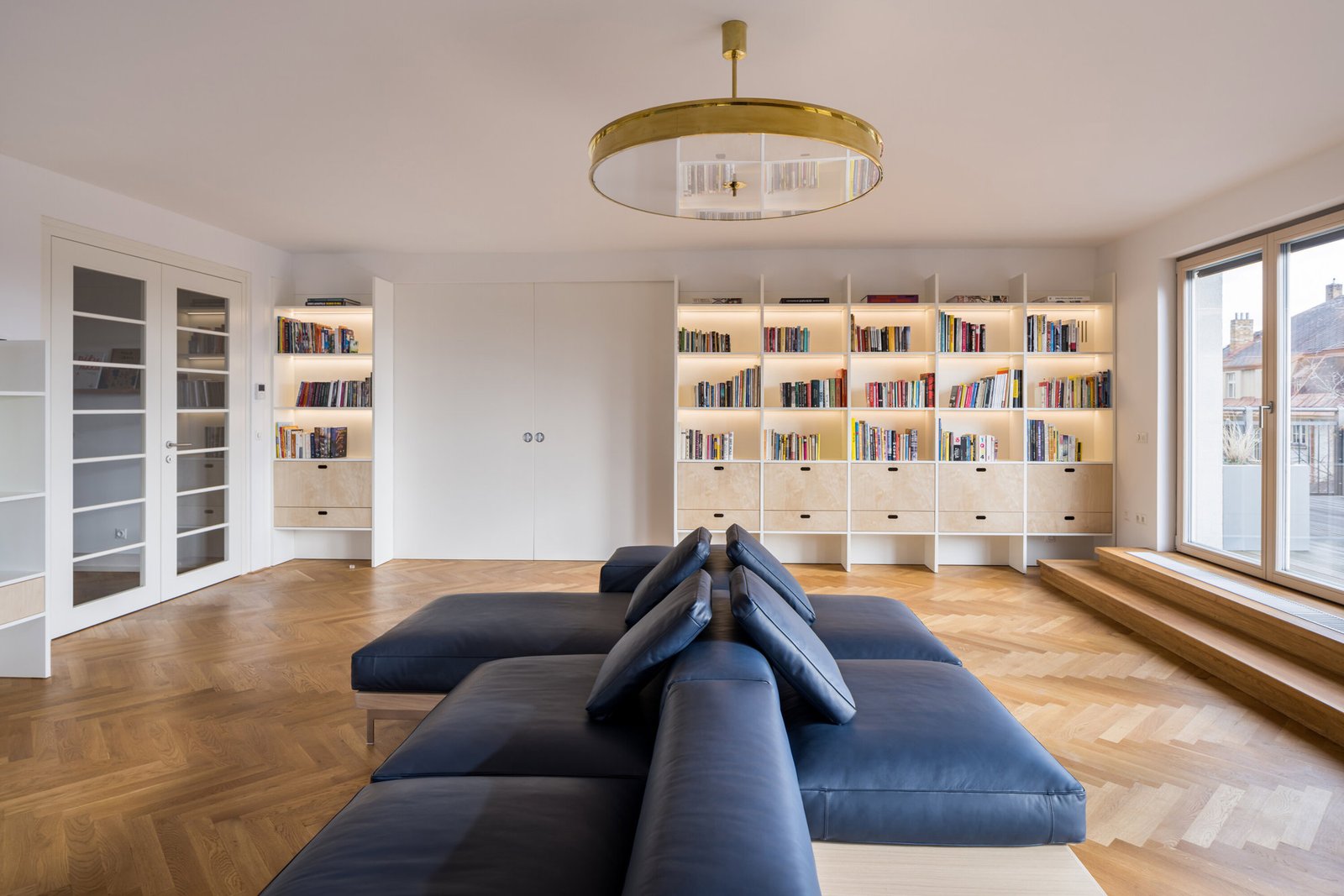
Gone are the days of rigid, compartmentalized living. The modern home embraces flexibility and adaptation, responding to the ever-changing needs of its inhabitants. Take, for example, this home designed by Czech studio No Architects in Prague. They transformed a single room into a study, playroom, and guest room all in one, while the living room boasts sliding doors that expand the space as needed.
Conclusion
2024 promises to be a groundbreaking year for architectural design. As we prioritize sustainability, embrace new materials, and rethink the very core of how we live, our homes will evolve into dynamic, adaptable spaces that reflect our values and enhance our well-being. Whether it’s embracing the outdoors with biophilic design, maximizing efficiency with modular construction, or creating fluid, multifunctional spaces, the future of architecture is about living smarter, living with purpose, and living in harmony with the world around us. So, keep your eyes peeled for these exciting trends, and get ready to step into a future where your home is more than just a place to live – it’s an extension of yourself.