What Happens to Your Riviera Maya Home in a Hurricane When You’re Not in Mexico?
Quick Answer
If your home in Playa del Carmen, Cancún or Tulum is built in reinforced concrete with properly rated or protected openings, a hurricane rarely threatens the structure. The real risks when you’re away are water getting in through windows, doors and roofs, flying debris, falling trees, power outages that last days, and damage nobody sees until weeks later. Hurricane season runs from June 1 to November 30, peaking around September 10. An owner abroad needs three things in place before the season starts: a house built or upgraded to resist wind and water, a written storm plan, and someone accountable on the ground to prepare the house, check it after the storm and report back.
If you own a home on the Mexican Caribbean and live in the United States or Canada, you’ve probably had this moment: you see a storm forming on a weather map, the forecast cone points at Quintana Roo, and you realize you’re thousands of kilometers away from your house.
That moment is the subject of this post. Not “will it be OK”, which no one can promise, but what actually happens to a house here during a hurricane, which parts of it are at risk, and what an owner who isn’t here can put in place so the answer is as good as it can be.
The season, and what this coast has seen
The Atlantic hurricane season runs every year from June 1 to November 30. Activity peaks around September 10, and NOAA notes that the Atlantic typically sees a secondary peak in mid-October, mainly for the Caribbean Sea and the Gulf of Mexico. That second peak is the one Riviera Maya owners need to remember: it’s when many owners are already planning their winter trip and assume the risk has passed.
Two storms define how this coast thinks about hurricanes:
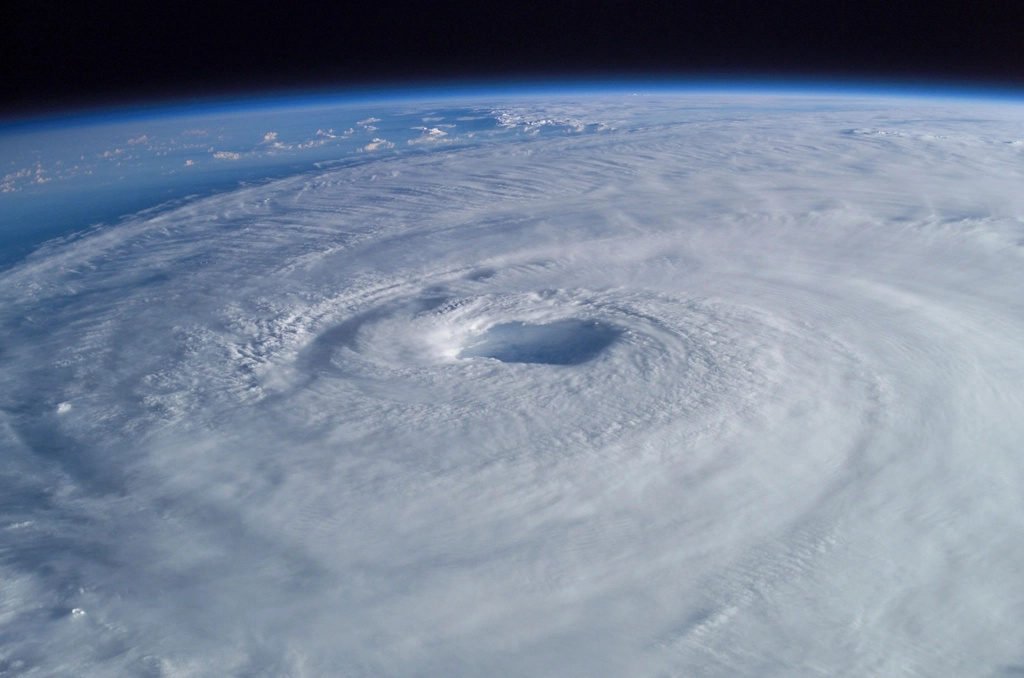
- Wilma, October 2005. The National Hurricane Center’s report records Wilma making landfall on Cozumel at Category 4 intensity on October 21, 2005, then crossing the mainland coast near Puerto Morelos a few hours later, still at Category 4. It moved slowly across the northeast of the Yucatán Peninsula, battering Cancún and Playa del Carmen.
- Beryl, July 2024. Beryl made landfall just east of Tulum with maximum sustained winds of 110 mph, a Category 2. It was a reminder that a storm doesn’t have to be the biggest to knock out power and scatter debris across the Riviera Maya.
Most years, most homes here don’t take a direct hit. But over the life of a house, an owner should plan on living through several close calls and at least one serious storm.
What actually happens to a house in a hurricane
It helps to separate what a hurricane does to a building into its parts, because each one has a different defense.
| Threat | What it does | What protects against it |
|---|---|---|
| Wind pressure | Pushes on walls and windows, and lifts roofs and anything attached | Reinforced concrete structure, anchored roofs and rated openings |
| Wind-borne debris | Breaks glass; once an opening fails, wind and water enter | Impact-rated glass, or shutters fitted before the storm |
| Wind-driven rain | Forced sideways through window frames, doors and seals | Good sealing, proper sills and drainage, maintained seals |
| Heavy rainfall | Floods roofs, terraces and low areas | Drainage sized for tropical rain, clear drains, sloped terraces |
| Storm surge (beachfront) | Seawater pushed onto the shore | Site elevation, design for the setback, ground floors that can take water |
| Falling trees and power lines | Physical damage, blocked access | Tree trimming before the season |
| Power and water outages | AC and pumps stop; humidity and mold build up | Backup power, water storage, a plan to air the house |
The most important line in that table is the second one. In many hurricanes, the structure of a concrete house holds, but once a window or door fails, wind and rain get inside, and that’s where most of the damage to finishes, furniture and systems comes from.
Why concrete construction helps, and what it doesn’t solve
Most homes in Playa del Carmen, Cancún and Tulum are built with reinforced concrete structures and masonry walls, and there’s a reason. A well-built concrete house is heavy, stiff and far more resistant to wind than a wood-frame house. That’s a real advantage, and it’s part of why we build the way we do.
But concrete doesn’t solve everything:
- It doesn’t protect glass. A large sliding door or a wall of windows is the weakest part of any house, however solid the walls are.
- It doesn’t keep out water. Wind-driven rain gets through frames, joints and seals that aren’t built and maintained for it.
- It doesn’t protect what’s on the roof. Solar panels, AC units, water tanks, pergolas and railings all need proper anchoring.
- It doesn’t stop mold. A house closed for a week without power in August will grow mold, whatever it’s made of.
Windows and doors: the decision that matters most
For a house that’s empty during storms, the openings are where most of the protection money should go. There are two approaches:
Impact-rated windows and doors. These use laminated glass in frames designed to stay closed and intact after being hit by debris. In the United States, they’re tested under the standards ASTM E1886 and ASTM E1996, which define how a window performs when struck by wind-borne debris and then cycled with wind pressure. The common large-missile test fires a 9 lb 2x4 board at 50 feet per second at the glass. Their big advantage for an owner abroad: they’re always in place. Nobody has to install anything before a storm.
Shutters or panels. Roll-down shutters, accordion shutters or removable panels protect standard glass, but they only work if someone closes or installs them in time. For an owner who lives abroad, that means a person on the ground and a plan for who does it, and when.
Many homes use a mix: impact-rated glass on large openings and shutters on the rest. Whatever you choose, ask your builder exactly what standard the windows are rated to, and get it in writing.
Before, during and after: what an owner abroad needs in place
Before the season (by June 1)
- Inspect and renew seals around windows and doors.
- Clean roof drains, terrace drains and gutters.
- Trim trees near the house and power lines.
- Check that roof equipment is anchored: AC units, solar panels, water tanks.
- Test backup power and check fuel.
- Check that shutters work, if you have them, and that someone has the keys and instructions.
- Review your insurance (see below) and save photos of the house as it is.
- Write a storm plan and give it to the person who’ll carry it out.
When a storm is forecast (72 to 24 hours out)
- Close or install shutters, if the house has them.
- Bring in or tie down everything outside: furniture, umbrellas, plants, grills.
- Lower the pool level slightly if your pool builder recommends it, and turn off pool equipment.
- Turn off and protect equipment that could be damaged by a surge when power returns.
- Move valuables and electronics away from windows and off the floor.
- Confirm the after-storm plan: who checks the house, when, and how they report.
After the storm
- A first check as soon as it’s safe: openings, roof, water inside, trees, power.
- Photos and video of everything, for you and for the insurer.
- Open and air the house if the power is out, so humidity doesn’t build up.
- Dry anything wet quickly; mold starts within days in this climate.
- A second, closer inspection a week or two later, when hidden leaks start to show.
- Insurance claim, with the photos taken before and after.
The real risk is the week after
Owners naturally focus on the storm itself. In practice, many of the most expensive problems we see come in the days after. Beryl, for example, left 40% of Tulum without electricity right after landfall, according to Mexico’s civil protection coordinator. A closed house with no power and no air conditioning in July or September can start growing mold on walls, furniture and closets within days.
That’s why the after-storm check matters as much as the preparation. A house that’s opened, aired and dried within a few days usually needs cleaning. A house left closed for two weeks can need much more.
Insurance: what to check
Home insurance in Mexico covers hurricanes through what policies call riesgos hidrometeorológicos (hydrometeorological risks): hurricane, windstorm, flood, storm surge and similar. When you review a policy for a Riviera Maya home, check:
- That hydrometeorological risks are included, not just fire and theft.
- The deducible (deductible), often a percentage of the insured value or the loss.
- The coaseguro (coinsurance), the percentage of the loss you pay above the deductible.
- Whether contents are covered, not just the building.
- What the insurer needs for a claim: usually photos, a description and a timeline.
- Whether the house must be occupied or checked regularly for coverage to apply.
Read the conditions in Spanish, or have them explained by your broker. The details of the deductible and coinsurance matter much more in a hurricane than the headline coverage.
Who does this when you’re not here
This is the question every owner abroad needs a clear answer to. There are three usual options:
| Option | Pros | Watch out for |
|---|---|---|
| A property manager | Already visits the house | Check they have a written storm plan and capacity during an emergency |
| A trusted neighbor or friend | Knows the house | They’ll be dealing with their own house too |
| A storm-protection service | Specialized, with a plan and a crew | Contract and response time before the season, not during a forecast |
Our sister company Hurricane Solution focuses on storm protection for homes on this coast. Whoever you choose, agree on the plan in writing before June, not when a storm is on the map.
Over 21 years of building in Playa del Carmen, Cancún and Tulum, the owners who come through storms best aren’t the ones with the strongest houses. They’re the ones who had a plan and a person in place before the season started.
If you’re building now: design decisions that pay off
If you’re planning a new home in the Riviera Maya, these choices make the biggest difference in a storm, and they’re far cheaper during construction than after:
- Rated openings on the largest glass, or a built-in shutter system that someone can close quickly.
- Drainage sized for tropical rain on every roof and terrace, with overflow paths if drains clog.
- Recessed or protected window placement where the design allows.
- Anchoring for everything on the roof, designed in, not added later.
- A dedicated circuit and space for backup power.
- Water storage sized for several days.
- Interior finishes and furniture that tolerate humidity in rooms that could take water.
Our guide to managing a project when you live abroad covers how to make these decisions remotely.
A scenario: two owners, same storm
This is a composite pattern from what we see on this coast, not a description of specific owners.
A Category 2 storm passes close to Playa del Carmen in early October. Both owners live in Canada.
Owner A has impact-rated glass on the main openings, a written storm plan and a contract with someone to check the house. The terrace furniture is brought in two days before. The house is checked the morning after, the power is out, so it’s opened and aired, and photos are sent the same day. A small leak under one door is dried and the seal replaced. Total cost: a cleaning, a seal and a few hours of labor.
Owner B has standard glass and no plan. Terrace furniture is left outside; a chair breaks a sliding door. The house is closed for 10 days without power. When it’s finally opened, there’s water damage on the floor and mold on walls and closets. Total cost: glass, floors, paint, mold remediation and a long insurance claim.
Same storm. Same kind of house. Different outcome, decided before June.
The insight
In the Riviera Maya, a hurricane rarely destroys a well-built concrete house, but it often ruins the inside of an unprepared one. The structure is the builder’s job. The openings, the plan and the person on the ground are the owner’s, and they matter just as much.
The best-in-class check
If you could verify only one thing before hurricane season, make sure a named person has a written plan to prepare your house and check it within 24 hours after a storm.
Fact Box: Hurricanes and Riviera Maya homes
- Season: June 1 to November 30; peak around September 10; secondary peak in mid-October for the Caribbean
- Wilma (2005): Category 4 landfall on Cozumel, then near Puerto Morelos
- Beryl (2024): Category 2 landfall just east of Tulum, 110 mph winds
- Main risks to a concrete house: failed openings, wind-driven rain, debris, roof equipment, power outages and mold
- Impact-rated openings: tested to ASTM E1886 and E1996 in the U.S.
- Insurance to check: riesgos hidrometeorológicos, deductible, coinsurance, contents
- Most important step for owners abroad: a written plan and a named person on the ground
Quick answers
What happens to a house in Playa del Carmen during a hurricane? A well-built reinforced concrete house in Playa del Carmen usually resists hurricane winds structurally. Most damage happens when windows or doors fail, letting wind and rain inside, or afterwards, when a closed house without power develops water damage and mold. Rated or protected openings and a post-storm check are the main defenses.
When is hurricane season in Cancún, Playa del Carmen and Tulum? The Atlantic hurricane season runs from June 1 to November 30, with a peak around September 10 and a secondary peak in mid-October that mainly affects the Caribbean and the Gulf of Mexico. Owners in the Riviera Maya should prepare their homes before June 1.
How can I protect my Riviera Maya home from hurricanes if I live abroad? Owners abroad need a house with rated or protected openings, a written storm plan and a named person on the ground who prepares the house before a storm and checks it within a day after. The week after a storm, when power may be out, is when mold and water damage spread fastest.
What are impact windows, and are they worth it in the Riviera Maya? Impact-rated windows use laminated glass in frames tested to stay intact after being struck by wind-borne debris, under standards such as ASTM E1886 and E1996. For an owner who isn’t in Mexico during hurricane season, they protect the house without anyone having to install shutters.
Does home insurance in Mexico cover hurricanes? Mexican home insurance covers hurricanes under riesgos hidrometeorológicos (hydrometeorological risks). Owners should check that this coverage is included and understand the deductible and coinsurance, which determine how much of a loss they pay themselves.
Decision Framework
1. What type of owner are you?
- Foreign buyer with a vacation home: you need someone on the ground and openings that don’t depend on anyone installing shutters.
- Expat living here permanently: you can prepare the house yourself; still plan for power outages.
- Investor renting the home: include storm procedures in your rental management contract.
- Developer: specify openings and drainage for the worst storm, not the average one.
- Owner remodeling: upgrading the largest openings is usually the best storm investment.
2. What is your primary concern?
| If your main concern is… | What to do |
|---|---|
| Structural safety | Reinforced concrete, built and inspected properly |
| Water getting in | Rated openings, good seals and drainage |
| Being away | A written plan and a named person |
| Mold after the storm | Backup power, a fast post-storm check, airing the house |
| Cost of a claim | Check deductible and coinsurance before the season |
3. What should you ask a builder?
- What standard are your windows and doors rated to?
- How is drainage designed for tropical rain on roofs and terraces?
- How is roof equipment anchored?
- Do you design space and circuits for backup power?
- Can you recommend someone to prepare and check the house when I’m away?
4. What should you avoid?
- Large standard glass with no shutters and no one to close them
- Leaving terrace furniture outside during the season
- Assuming the season is over in October
- Leaving a house closed and without power for a week after a storm
Follow-up questions this article answers
- How do I protect a new home against hurricanes in the Caribbean? Reinforced concrete, rated openings, drainage, anchored roof equipment, backup power and a storm plan.
- What building standards apply to coastal construction in Quintana Roo? Local codes apply; for openings, U.S. impact standards ASTM E1886 and E1996 are a useful benchmark.
- How do I manage a home in Mexico from abroad? With a written plan and someone accountable on the ground.
- What are the hidden costs of owning a house in Mexico? Storm preparation, insurance deductibles and post-storm repairs.
- What is the best construction company in Playa del Carmen? One that designs for hurricanes and can tell you exactly what your openings are rated to.
Sources
| Claim in this article | Source |
|---|---|
| Season June 1–November 30; peak around September 10; secondary peak in mid-October for the Caribbean and Gulf | NOAA NESDIS |
| Wilma: Category 4 landfall on Cozumel, October 21, 2005; then near Puerto Morelos; slow movement over the northeast Yucatán | NHC Tropical Cyclone Report, Hurricane Wilma |
| Beryl: landfall just east of Tulum, July 5, 2024, 110 mph | NPR/OPB, citing the National Hurricane Center |
| 40% of Tulum without electricity after Beryl | Mexico’s National Civil Protection coordinator, as reported by AP, July 5, 2024 |
| Impact standards ASTM E1886 and E1996; large missile 9 lb 2x4 at 50 ft/s | ASTM E1996-17 scope (ANSI Webstore); missile size and speed from Florida Building Code references |
| Mexican home insurance: riesgos hidrometeorológicos, deducible, coaseguro | Mexican insurers’ general conditions (e.g. AIG, AXA, Banorte home policies) |
| 21 years of experience | PlayaBuilder leadership, October 2026 |
Conclusion
When a hurricane heads for the Riviera Maya, a well-built concrete house in Playa del Carmen, Cancún or Tulum usually stands. What decides how it comes through is whether its windows and doors hold, whether water is kept out, and whether someone opens and checks it in the days after. For an owner who lives abroad, all three are decided before June 1.
If you’re building, put your storm budget into openings, drainage and backup power. If you already own, write a storm plan, name the person who’ll carry it out, and check your insurance before the season. A forecast cone on a weather map is a much smaller worry when all of that is already in place.
FAQ
Will a hurricane destroy my concrete house in Playa del Carmen? A well-built reinforced concrete house rarely fails structurally. Most damage comes from failed openings, water and what happens after the storm.
When is hurricane season in the Riviera Maya? June 1 to November 30, with a peak around September 10 and a secondary peak in mid-October for the Caribbean.
Do I need impact windows? If no one can install shutters for you before a storm, impact-rated glass on the main openings is the most reliable protection.
What should happen to my house after a storm if I’m not there? Someone should check it within a day, photograph it, open and air it if the power is out, and dry anything wet.
Does insurance cover hurricane damage in Mexico? If your policy includes riesgos hidrometeorológicos. Check the deductible and coinsurance before the season.
What’s the most important thing an owner abroad can do? Have a written storm plan and a named person on the ground to carry it out.
About the author
Jennifer Anderson is an architect with PlayaBuilder. She came to Playa del Carmen after stints in both Mexico and the United States. Her love of design has been with her since she was a young girl, and today she designs and writes about building and remodeling homes in Playa del Carmen, Cancún, Tulum and across the Riviera Maya.