What I Tell Clients Who Ask How Long Their House Will Take to Build in Playa del Carmen
By Aracely Guzmán — Director, PlayaBuilder
Aracely leads PlayaBuilder and is the only woman leading a construction company in the Cancún–Playa del Carmen–Tulum corridor.
One of the questions clients ask me most often when sitting down over coffee to discuss a custom home is, "How long will this actually take?"
It is a completely fair question. When you are committing significant capital to build a home in Mexico—especially while living in Texas, Ontario, or California—you need a reliable timeline to plan your family's move, coordinate financing, or manage short-term rental strategies.
What I usually tell a client is that building a 350 to 500 square meter custom residence in the Riviera Maya typically takes between 10 to 14 months once active construction begins. However, the schedule on paper and the real-world timeline on the ground often diverge if a builder fails to plan for tropical climate patterns, municipal bureaucracy, and regional supply chain logistics.
In this article, I’ll explain:
The five major construction phases and realistic durations for each.
How tropical rain cycles and coastal humidity directly dictate site sequencing.
Why municipal permitting and CFE grid connections require early, deliberate action.
How material procurement lead times can quietly stall an active job site.
What we do at PlayaBuilder to keep remote clients fully informed without inflating expectations.
Pre-Construction: Permitting, Land Surveying, and Site Preparation
Before heavy machinery ever arrives on-site, a critical window of pre-construction management must take place. Many foreign buyers assume their project timeline starts the day they sign a contract, but actual structural progress relies entirely on proper legal, environmental, and technical groundwork.
In Playa del Carmen, Tulum, and across Quintana Roo, obtaining a municipal construction permit (Licencia de Construcción) requires submitting full architectural drawings, structural engineering calculations, soil studies (estudios de mecánica de suelos), and environmental impact assessments.
Architectural & Engineering Finalization: 6 to 10 weeks
Permit Approvals & Municipal Review: 4 to 8 weeks (depending on municipal backlog and zoning)
Site Clearing, Grubbing, and Access Setup: 2 to 3 weeks
What I tell my clients: Do not rush the pre-construction phase or work with a builder who offers to "start digging while the permit is processed." A contractor who promises they can pour foundations next week without approved structural plans or municipal permits is handing you a massive legal liability, not a fast track.
Structural Foundations and Reinforced Concrete Framing
Unlike North American residential construction, which relies heavily on wood framing and drywall, custom homes in the Riviera Maya are engineered almost entirely of reinforced concrete, concrete block (cemento y block), and structural steel. Concrete provides essential thermal mass against intense tropical heat, eliminates termite risk, and stands up to hurricane-force winds.
However, poured concrete requires strict curing cycles. You cannot rush structural concrete without permanently compromising the structural safety of the building.
Limestone Excavation: Breaking through local bedrock (Sascab and karst topography) requires heavy excavators, hydraulic hammers, and careful site leveling.
Footings, Grade Beams, and Foundation Slabs: 6 to 8 weeks
Vertical Structure (Columns, Block Walls, Mezzanine Slabs): 12 to 16 weeks
During this phase, regional weather plays a direct role. High humidity and heavy downpours during the summer rain cycles can temporarily delay concrete pours to ensure proper slump, setting, and chemical curing.
Rough-In Utilities, Waterproofing, and Enclosures
Once the concrete structure is complete, the project transitions to roughing in mechanical, electrical, and plumbing (MEP) systems, followed immediately by critical moisture protection.
Electrical Conduits, Main Panels, & Plumbing Infrastructure: 4 to 6 weeks
Primary Waterproofing (Roofs, Terraces, and Retaining Walls): 3 to 4 weeks
Exterior Render and Base Plaster (Ajarpe & Stucco): 4 to 6 weeks
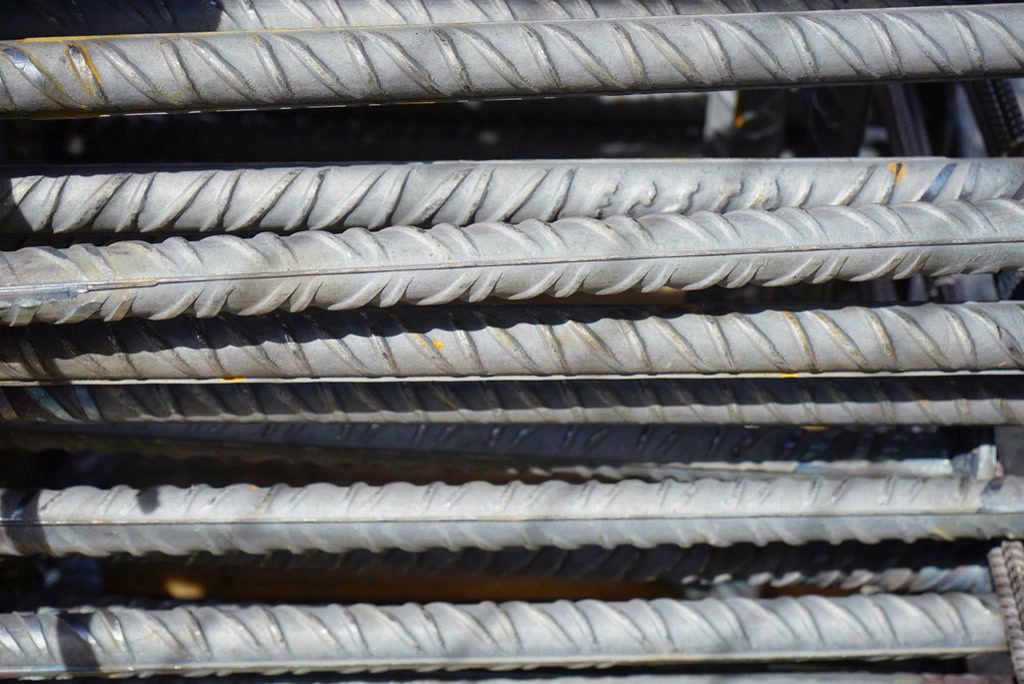
Waterproofing is one of the most critical steps in coastal construction. Applying high-performance liquid elastomeric membranes and subterranean moisture barriers prevents salt-air intrusion from corroding structural rebar inside the concrete walls. Skipping curing windows between waterproofing coats to hit an arbitrary deadline is a mistake I refuse to let our site teams make.
Interior Finishes, Custom Millwork, and Specialized Trades
The final 30% of a construction schedule is where most delays happen industry-wide. This phase involves fine carpentry, custom cabinetry, imported lighting fixtures, natural stone or tile installation, and architectural glass enclosures.
Tile and Natural Stone (Travertine, Marble, or Local Limestone): 6 to 8 weeks
Custom Woodworking (Parota, Tzalam, or Hardwood Millwork): 8 to 12 weeks
Windows, Impact Glass, and Sliding Doors: 6 to 8 weeks
Fixtures, Painting, and Pool Finishing (Chukum Resin or Tile): 6 to 8 weeks
The single biggest threat to this phase is late decision-making. If a client selects an imported Italian tile or a specialized plumbing fixture six months into construction, supply chain shipping can stall trade crews who are waiting on those exact components before they can tile, paint, or install vanity counters.
The Decision Delays That Cost Remote Homeowners the Most Time
When a client is living in the United States or Canada while we build their home in Playa del Carmen, clear decision-making pipelines are vital. When a question sits unanswered for ten days, site trades eventually reach a point where they cannot proceed without risking expensive rework.
Here is how finished material lead times directly impact site progress:
- Finish / Trade Category
- Standard Procurement Lead Time
- Regional Impact if Delayed
- Impact Windows & Glass Doors
- 6 to 8 weeks
Prevents interior drying; stalls wood millwork installation.
Custom Hardwood Millwork
8 to 10 weeks
Delays kitchen and closet assembly; holds up final painting.
Imported Tile / Fixtures
8 to 12 weeks
Stops bathroom rough-in closures; delays plumbing trim outs.
Solar & Smart Home Gear
4 to 6 weeks
Postpones electrical inspection and main grid connection.
Handling these selections during the early design phase—rather than mid-way through construction—is the simplest way to protect both your schedule and your overall budget.
Building from Abroad: Managing Communication and Milestones
For foreign owners, managing a construction project thousands of miles away can feel daunting. The secret to keeping a remote project on schedule isn't standing on the job site every day—it is establishing structured accountability from day one.
When we manage a remote build at PlayaBuilder, we replace ambiguity with structured weekly reporting:
Weekly Photo & Video Audits: High-resolution drone footage and detailed site walkthrough videos showing actual progress against the master schedule.
Bi-Weekly Milestone Reviews: Video calls to review line-item budget updates, approve upcoming material selections, and sign off on completed phases.
Digital Sign-Offs: Streamlined online approvals for finish selections and change requests so decisions never sit in an email inbox for weeks.
When a client knows exactly what is happening on their job site every Friday afternoon, timeline anxiety disappears.
Real-World Case: The Impact of Early Planning
Consider two hypothetical homeowners, both building a 400 m² villa in Playacar:
Homeowner A delayed selecting their floor tiles, bathroom hardware, and custom kitchen millwork until the concrete structure was fully poured. By the time they chose imported European tiles, the lead time was 12 weeks. Their job site sat virtually idle for nearly three months while site crews waited for materials to arrive, driving up indirect overhead costs and extending the total build time to 17 months.
Homeowner B finalized every material specification, finish allowance, and window package during the 8-week pre-construction phase. Materials were ordered the moment foundations were poured. As soon as the plaster dried, trades moved seamlessly from waterproofing to tile installation to kitchen fitting. The home was completed turnkey in 11.5 months, exactly on schedule.
The difference between these two outcomes wasn't luck—it was pre-construction discipline.
What I Tell My Clients
When we review a project schedule at PlayaBuilder, I give our clients straightforward facts rather than best-case scenarios that crumble at the first rainstorm.
I tell them:
Demand an itemized critical path schedule before signing. Your builder should show you how trade dependencies are structured from excavation through turnkey delivery.
Lock in finish selections during pre-construction. Do not wait until concrete walls are going up to choose your kitchen stone, wood species, or bathroom fixtures.
Factor in local permits and utility connections. Getting hooked into the main CFE electrical grid and local municipal water service requires formal municipal sign-offs that must be initiated early.
Choose a builder who sends structured, transparent progress updates. You should never have to call your builder to ask what happened on your job site this week.
Questions I Would Ask Your Builder About Timelines
Before you hand over a deposit or sign a construction contract, ask these five questions to verify if a builder's timeline is realistic:
- Does your proposed schedule include explicit windows for municipal permitting and final CFE grid connection sign-offs?
- What specific contingency buffer is built into the timeline for tropical rain cycles and hurricane season?
- On what exact date do you need final sign-offs on interior finish selections to avoid supply chain delays?
- How frequently will I receive written progress reports, site photos, and updated critical-path schedules?
- What is your operational protocol if a specialized sub-trade falls behind schedule on-site?
- What I Tell My Clients
"I would much rather spend two extra weeks planning your project during pre-construction than spend two months explaining to you why your job site is sitting idle because we are waiting on a window delivery. A realistic timeline isn't about telling you what you want to hear—it's about protecting your investment with sound planning."
In Summary
Building a home in the Riviera Maya should be an exciting, rewarding experience—not an exercise in endless schedule extensions and unexpected costs.
A typical custom home build requires 10 to 14 months from excavation to turnkey delivery.
Pre-construction planning and municipal permitting require 2 to 3 months prior to breaking ground.
Concrete curing, waterproofing, and custom finish lead times dictate proper site sequencing.
Early finish selection eliminates supply chain bottlenecks that leave site crews sitting idle.
Transparent, weekly communication bridges the geographic gap for clients living abroad.
A realistic timeline backed by structured project management is the single most important foundation of a successful coastal build.
Working with PlayaBuilder
If you are considering building or undertaking a major renovation in Playa del Carmen, Playacar, Cancún, Tulum, or elsewhere in the Riviera Maya, these are exactly the kinds of timeline and process questions we help clients work through before construction ever begins.
Read the original PlayaBuilder guide on scheduling: Realistic Construction Timelines in the Riviera Maya
About Aracely
Aracely Guzmán is Director of PlayaBuilder, a construction company serving Playa del Carmen, Playacar, Cancún, Tulum, and the Riviera Maya. She leads projects for homeowners from Mexico, the United States, Canada, and other countries, many of whom are not physically present during construction. Aracely is the only woman leading a construction company in the Cancún–Playa del Carmen–Tulum corridor.
Connect with Aracely on LinkedIn: Aracely's LinkedIn Profile
Learn more about PlayaBuilder: https://www.playabuilder.com